Is THCA Legal in Florida? 2026 Law Updates & Guide
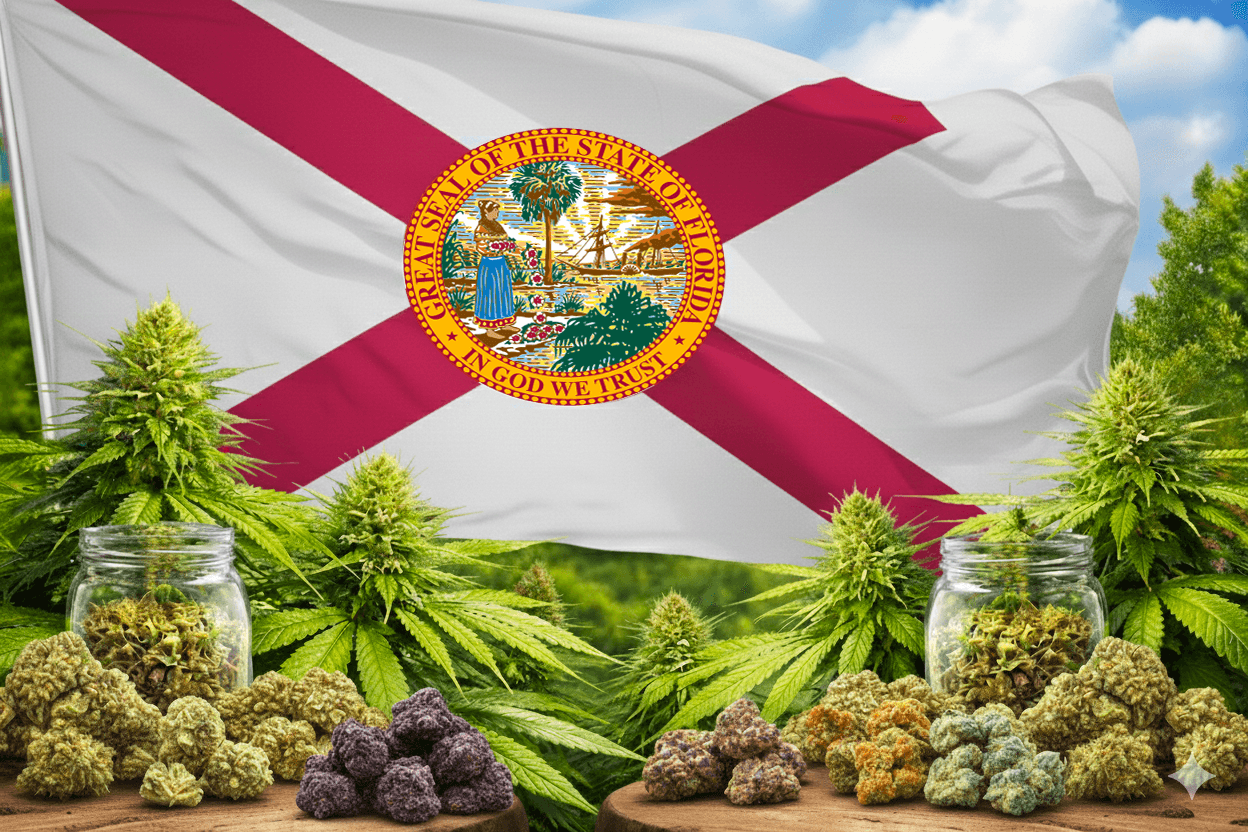
THCA Legal Status in Florida.
Yes, hemp-derived THCa is currently legal in Florida when products contain less than 0.3% total THC by dry weight. However, significant federal changes take effect in November 2026 that will reshape the entire hemp industry. This guide explains the current legal status, upcoming changes, and how to stay compliant.
Let’s get straight to the million-dollar question: **Is THCA legal in Florida?** If you’re a Florida resident exploring THCA products—whether it’s THCA flower, pre-rolls, or concentrates—you’re probably navigating a maze of conflicting information online. One source says it’s perfectly legal, another warns about gray areas, and yet another mentions upcoming law changes that could impact everything. Here’s the truth: THCA is currently legal in Florida, but the landscape is shifting. With new federal hemp legislation enacted in November 2025 set to take effect in 2026, understanding both the current laws and upcoming changes is critical for anyone buying, possessing, or using THCA products in the Sunshine State.
Keep Browsing
Explore Our THCa Categories
Shop real THCa products and collections.


Current Legal Status Summary
As of February 2026, THCa (tetrahydrocannabinolic acid) remains legal in Florida under specific conditions:
✅ Legal When:
- Derived from hemp (not marijuana)
- Contains less than 0.3% total THC by dry weight (using Florida’s calculation: Δ9-THC + 0.877 × THCa)
- Sold by Florida Department of Agriculture and Consumer Services (FDACS) licensed establishments
- Meets all packaging, labeling, and testing requirements
- Sold only to individuals 21 years or older
⚠️ Important Alerts:
- Federal law changes take effect on November 12, 2026, potentially restricting many current products
- Florida actively enforces compliance through product seizures and retailer penalties
- The legal landscape is rapidly evolving—what’s legal today may change within months
What is THCa?
THCa (tetrahydrocannabinolic acid) is a naturally occurring cannabinoid found in raw cannabis and hemp plants. Unlike its well-known counterpart THC (delta-9 tetrahydrocannabinol), THCa is non-psychoactive in its raw form.
The Science of THCa
THCa is the acidic precursor to THC. When the cannabis plant grows, it produces cannabinoids in their acid forms. THCa only converts to psychoactive THC through a process called decarboxylation, which occurs when:
- Heat is applied (smoking, vaping, or cooking)
- The plant material is dried and aged over time
- Exposure to UV light gradually breaks down the carboxyl group
Chemical Process:
When heated to approximately 220°F (104°C), THCa loses a carboxyl group (COOH), transforming into delta-9 THC. This transformation is why raw cannabis doesn’t produce intoxicating effects, but the same material becomes psychoactive when smoked or baked.
Why This Matters Legally
This chemical transformation creates the central legal complexity around THCa products. A product containing high levels of THCa may:
- Test as “legal hemp” when raw (under 0.3% delta-9 THC)
- Convert to levels exceeding legal limits when heated for consumption
- Fall into a regulatory gray area depending on how and when it’s tested
This distinction is at the heart of current regulatory debates in Florida and nationwide.
Federal Legal Framework: The 2018 Farm Bill Foundation
The Agriculture Improvement Act of 2018 (2018 Farm Bill) fundamentally changed cannabis law in the United States by removing hemp from the Controlled Substances Act.
Key Provisions:
- Hemp definition: Cannabis sativa L. and all its derivatives containing no more than 0.3% delta-9 THC by dry weight (7 U.S.C. § 1639o)
- Legal status: Hemp and hemp-derived products became federally legal
- State authority: States retained the right to establish their own hemp programs and regulations
- USDA oversight: Created a federal hemp production program
The Unintended Consequence:
The 2018 Farm Bill measured only delta-9 THC, not total THC or THCa. This created what regulators call a “loophole”—hemp-derived products containing high THCa levels but low delta-9 THC became technically legal under the original framework, despite becoming intoxicating when heated.
Critical 2025 Federal Update: H.R. 5371
On November 12, 2025, Congress passed the Continuing Appropriations, Agriculture, Legislative Branch, Military Construction and Veterans Affairs, and Extensions Act, 2026 (H.R. 5371), which includes the most significant hemp regulation changes since 2018.
New Hemp Definition (Effective November 12, 2026)
Hemp is now defined as Cannabis sativa L. with a total tetrahydrocannabinol concentration (including THCa) of not more than 0.3% on a dry weight basis.
Key Changes:
- Total THC Standard: The 0.3% limit now includes both delta-9 THC AND THCa (calculated as potential THC after conversion)
- Product Categories:
- Intermediate hemp-derived products: Must contain 0.3% or less total THC
- Final hemp-derived products: Cannot exceed 0.4 milligrams per container of combined total THC
- Synthetic Cannabinoid Exclusions: Hemp explicitly excludes:
- Cannabinoids are not naturally produced by Cannabis sativa L.
- Cannabinoids synthesized or manufactured outside the plant (like most delta-8 THC, delta-10 THC)
- Products with “THC-like” effects as determined by HHS
- FDA Guidance Requirement: By February 10, 2026, the FDA must publish:
- List of all naturally occurring cannabinoids in Cannabis sativa L.
- List of all naturally occurring THC-class cannabinoids
- List of cannabinoids with effects similar to THC
- Clarification on “container” definition
Implementation Timeline:
- Law passed: November 12, 2025
- FDA guidance due: February 10, 2026
- Full enforcement begins: November 12, 2026
What This Means:
Most high-THCa hemp flower and many current hemp-derived products will no longer meet the federal definition of legal hemp after November 2026. The industry has a one-year transition period to reformulate products or cease production.
DEA Positions on Hemp-Derived Cannabinoids
The Drug Enforcement Administration (DEA) has issued several opinion letters clarifying the hemp-derived cannabinoid status:
August 2020 Interim Final Rule:
Confirmed that synthetically derived THC compounds remain Schedule I controlled substances, even if made from legal hemp.
May 2021 Letter:
Stated that delta-8 THC synthesized from CBD is controlled because the synthesis process makes it no longer a derivative of hemp. (DEA Letter to Alabama Board of Pharmacy, May 14, 2021)
February 2023 Letter (THC-O):
Clarified that cannabinoids not naturally occurring in cannabis (like THC-O) are Schedule I controlled substances regardless of starting material. (DEA Letter, February 2023)
May 2024 Letter (THCa):
While not issuing a formal ruling, the DEA indicated that THCa products intended for smoking or vaping present compliance concerns because decarboxylation may push total THC above legal limits. (DEA Congressional Affairs Letter, May 13, 2024)
Florida State Laws & Regulations
How Florida Adopted Federal Hemp Standards
Florida aligned with federal hemp legalization in 2019 when it established its state hemp program under the Florida Department of Agriculture and Consumer Services (FDACS).
Governing Statutes:
- Florida Statute §581.217: Establishes the state hemp program, definitions, and regulatory authority
- Florida Statute §893.03: Classifies THC as a Schedule I controlled substance (with hemp exception)
- Florida Statute §381.986: Governs medical marijuana program (separate from hemp)
Florida’s Hemp Definition:
Florida adopted the federal definition with one critical distinction: the state requires testing that accounts for total potential THC, not just delta-9 THC in the plant’s current state.
FDACS Regulatory Authority
The Florida Department of Agriculture and Consumer Services (FDACS) has primary regulatory authority over hemp production, processing, and retail sales in Florida. FDACS oversees:
- Hemp cultivation licensing
- Food establishment permits for hemp processors
- Laboratory testing standards
- Packaging and labeling requirements
- Retail compliance and enforcement
- Consumer product safety
Key Regulatory Rule: 5K-4.034, Florida Administrative Code
This rule governs “Hemp and Hemp Extract Intended for Human Consumption” and has undergone significant updates in 2025.
Major 2025 Florida Regulatory Updates
Florida implemented two major amendments to Rule 5K-4.034 in 2025, fundamentally changing hemp product compliance requirements.
March 2025 Amendment
Effective March 12, 2025, Florida established food-grade safety standards for all hemp extracts (Rule 5K-4.034, F.A.C., amended March 12, 2025):
Licensing Requirements:
- All manufacturers and retailers must obtain Hemp Food Establishment permits ($650 annually)
- Facilities must meet food establishment sanitation standards
- Regular FDACS inspections are required
Laboratory Testing Requirements: All hemp products intended for human consumption must undergo full-panel testing for:
- Cannabinoid potency (including total THC calculation)
- Heavy metals (lead, arsenic, cadmium, mercury)
- Residual solvents
- Pesticides
- Microbial contaminants
- Mycotoxins
Total THC Calculation:
Florida uses the formula: Total THC = Δ9-THC + (0.877 × THCa)
This formula accounts for the maximum potential THC that would result if all THCa were converted to delta-9 THC through decarboxylation.
November 2025 Amendment
Building on March requirements, the November 2025 amendment added strict packaging and marketing rules (Rule 5K-4.034, F.A.C., amended November 2025):
Child-Resistant Packaging:
- Mandatory compliance with ASTM International D 3475-20 standard
- Applies to all ingestible and inhalable hemp products
- Must prevent children under 5 from accessing content
Labeling Requirements:
- Serving sizes must use common household measurements
- Cannabinoid content is clearly listed per serving and per container
- QR code or scannable barcode linking directly to Certificate of Analysis (COA)
- COA must be accessible within 3 or fewer steps
- Expiration dates required
- Storage instructions included
- Universal warning symbol required
Certificate of Analysis Requirements:
- Laboratory name and contact information
- Testing date
- Concentration of total delta-9 THC
- Confirmation of the absence of prohibited substances
- Pathogen testing results
- Valid for 90 days after the product expiration date
Marketing Restrictions:
- Products cannot be “attractive to children.”
- Prohibited: shapes of humans, cartoons, or animals
- Prohibited: resemblance to familiar branded candy or food products
- Prohibited: child-appealing colors, characters, or designs
- Prohibited: marketing that targets minors
Water Activity Standard:
- Cannabis flower or leaves must have a water activity of 0.60 (±0.05)
- Prevents microbial growth and contamination
Age Restrictions:
Mentioned In This Article
- All purchases require verification of 21+ years of age
- Applies to in-store and online sales
- Retailers must implement age verification systems
Enforcement Date:
FDACS began active enforcement of these requirements on June 16, 2025.
Florida’s Total THC Approach
Unlike some states that only measure delta-9 THC in its current state, Florida requires post-decarboxylation testing. This means:
When a product is tested:
- Lab measures current delta-9 THC content
- Lab measures THCa content
- Lab calculates potential delta-9 THC from THCa using 0.877 conversion factor
- The total is summed to determine compliance
Example Calculation:
- Product contains 0.2% delta-9 THC
- Product contains 5% THCa
- Potential THC from THCa: 5% × 0.877 = 4.385%
- Total THC: 0.2% + 4.385% = 4.585%
- Result: Non-compliant (exceeds 0.3% limit)
This testing method makes most high-THCa hemp flower products non-compliant under Florida law, even if they meet the original 2018 Farm Bill standard.
The Legal Gray Area Explained
The legality of THCa products in Florida exists in a complex space between chemistry, law, and enforcement practices.
The Decarboxylation Dilemma
The Chemical Reality:
THCa is non-intoxicating and non-psychoactive. However, the moment you apply heat—through smoking, vaping, or cooking—THCa converts to delta-9 THC. This transformation happens instantly at temperatures as low as 220°F (104°C).
The Legal Problem:
- Raw product testing: A THCa flower product might test at 0.25% delta-9 THC and 15% THCa
- Under the 2018 Farm Bill logic: Technically “legal hemp” (under 0.3% delta-9)
- Under Florida’s calculation: 0.25% + (15% × 0.877) = 13.405% total THC = illegal cannabis
- After the consumer uses it (smoking): Virtually all THCa converts to THC = definitely illegal levels
The Legal Question:
At what point is compliance measured? When the product is:
- Manufactured and packaged?
- Tested by the lab?
- Sold to the consumer?
- In the consumer’s possession?
- At the moment of consumption?
Different regulatory bodies and enforcement officials may answer differently, creating inconsistent application of the law.
Field Testing Limitations
Law Enforcement Challenge:
Standard field tests used by police cannot distinguish between:
- Legal hemp-derived THCa flower (theoretically under 0.3% delta-9)
- Illegal marijuana flower (over 0.3% delta-9)
- Legal CBD flower
- Various hemp-derived products
These presumptive tests only indicate the presence of cannabinoids, not specific concentrations or which specific cannabinoid is present.
Real-World Implication:
Even if you possess legally compliant hemp-derived THCa with proper documentation, a field test will show positive for cannabis. This can lead to:
- Detention while awaiting confirmatory lab testing
- Product seizure
- Potential arrest (later dismissed after lab results)
- Legal expenses, even if eventually cleared
Confirmatory Testing Delays:
Sending samples to certified labs for accurate THC quantification can take days or weeks, during which time products remain seized, and individuals may face charges.
State vs. Federal Interpretation
The Fourth Circuit’s Anderson v. Diamondback Decision (September 2024)
This federal court case (Anderson v. Diamondback Investment Group, LLC, No. 23-1381, 4th Cir. Sept. 4, 2024) found that state laws restricting hemp-derived products more strictly than federal law are not preempted by the 2018 Farm Bill. This means:
- States can impose stricter standards than the federal hemp law
- States can regulate or ban specific hemp-derived cannabinoids
- Federal hemp legalization doesn’t override state restrictions
Application to Florida
Florida’s total THC standard is stricter than the original 2018 Farm Bill’s delta-9-only standard. This state approach is legally defensible and enforceable, even if it creates different standards than neighboring states.
The Intent Question
Another gray area centers on the intended use of high-THCa products:
Manufacturers’ Position
“THCa flower is sold in its raw, non-intoxicating form and meets the 0.3% delta-9 THC limit. What consumers do with it afterward is not our concern.”
Regulators’ Position
“High-THCa flower products are clearly intended for smoking or vaping—methods that instantly convert THCa to intoxicating THC above legal limits. The intended use matters for determining legality.”
Legal Precedent
Courts and regulatory agencies increasingly consider intended use when determining compliance. Products marketed for smoking/vaping face greater scrutiny than those marketed for other uses.
Practical Consumer Risk
What This Means for You:
Even if a retailer assures you a THCa product is “legal,” you may face risks:
- Possession concerns: Law enforcement may not distinguish hemp from marijuana in the field
- Interstate travel: Crossing state lines with THCa products can trigger federal jurisdiction issues
- Workplace implications: Company drug policies may prohibit hemp-derived intoxicating products
- Regulatory changes: Products legal today may become non-compliant with little notice
- Retailer compliance: Not all retailers properly verify total THC limits
The Prudent Approach:
- Always request and verify third-party lab testing (Certificates of Analysis)
- Check that testing measures total THC, not just delta-9
- Keep documentation with products
- Understand your workplace and lease agreement policies
- Stay informed on rapidly changing regulations
2025 Florida Enforcement Updates
Florida has significantly intensified hemp product enforcement in 2024-2025, moving from a hands-off approach to active market regulation.
Operation Safe Summer 2025
In response to proliferating non-compliant hemp products, FDACS launched its largest enforcement initiative to date.
Enforcement Results (July-August 2025):
- Over 155,000 hemp product packages were seized statewide
- 700+ businesses inspected across all 67 Florida counties
- 83,000+ packages specifically targeting children through a candy-like appearance
- Hundreds of stop-sale orders issued
- Multiple license suspensions and revocations
- Fines ranging from $1,000 to $5,000 per violation
Target Categories:
- Products with child-appealing packaging
- Items lacking proper COAs or QR codes
- Products exceeding total THC limits
- Mislabeled or improperly tested goods
- Synthetic cannabinoids
- Products sold by unlicensed establishments
Red-Tagging and Product Seizures
FDACS inspectors actively “red-tag” non-compliant products, meaning:
- The product is immediately prohibited from sale
- Items must be removed from retail shelves
- Continued sale results in escalating penalties
- Products may be destroyed if not brought into compliance
Common Violations Leading to Red-Tags:
- Total THC exceeding 0.3% by Florida’s calculation
- Missing or non-functional QR codes
- Expired or invalid Certificates of Analysis
- Non-child-resistant packaging
- Marketing is attractive to children
- Sales by establishments without Hemp Food Establishment permits
Penalties for Non-Compliance
Retailers:
- First violation: Warning or fine up to $1,000
- Subsequent violations: Fines up to $5,000 per violation
- Severe/repeat violations: License suspension or revocation
- Criminal penalties possible for knowingly selling illegal cannabis
Manufacturers:
- Loss of manufacturing license
- Product recalls
- Civil penalties and fines
- Potential federal prosecution for producing controlled substances
Consumers:
- Possession of non-compliant THCa products may constitute possession of marijuana
- Criminal penalties under Florida Statute §893.13 if prosecuted as marijuana possession
- Products may be seized without return
Active Legal Challenges
A pending lawsuit is currently in the Florida appeals court challenging FDACS’s authority to enforce the total THC standard and other 2025 rule amendments. Industry plaintiffs argue:
- FDACS exceeded its statutory authority
- Rules create arbitrary and inconsistent standards
- Enforcement violates due process
- Testing methodology is scientifically flawed
Current Status:
Despite ongoing legal challenges, enforcement remains active. FDACS continues inspections, seizures, and penalties while the lawsuit proceeds through the courts. Businesses and consumers must comply with current rules regardless of legal challenges.
2025 Legislative Attempts (Failed)
Florida lawmakers introduced several bills in the 2025 legislative session that would have dramatically restricted hemp products, but none became law.
Senate Bill 438 / House Bill 7027
Senate Bill 438 / House Bill 7027:
Proposed Restrictions:
- 5mg THC per serving limit
- 50mg THC per package limit
- Hemp beverage distribution only through licensed alcohol wholesalers
- Sales restricted to alcohol-licensed venues (bars, restaurants, liquor stores)
- Expanded synthetic cannabinoid bans
- Additional testing requirements
- Higher licensing fees
Why It Failed:
- Industry opposition mobilized grassroots campaigns
- Economic impact concerns (100,000+ jobs in the Florida hemp industry)
- Bipartisan concerns about overreach
- House and Senate are unable to reconcile their differences
- Session ended without passage
Previous Veto:
Governor Ron DeSantis vetoed similar legislation (SB 1698) in 2024, citing concerns about:
- Negative impact on small businesses
- Regulatory overreach
- Economic consequences for Florida’s hemp industry
- Lack of evidence supporting proposed restrictions
Current Enforcement Priorities
FDACS Focus Areas (as of February 2026):
- Child safety: Products appealing to minors through packaging or marketing
- Total THC compliance: Products exceeding 0.3% total THC
- Synthetic cannabinoids: Delta-8, delta-10, THC-O, HHC, and similar compounds
- Unlicensed retailers: Businesses operating without Hemp Food Establishment permits
- Testing compliance: Products lacking proper COAs or with expired test results
- Age verification: Sales to individuals under 21
- Labeling accuracy: Mismatched label claims vs. actual testing results
Shop THCa
View all →

How to Verify Retailer Compliance
Before purchasing THCa products in Florida, verify:
✅ Valid FDACS License:
- Visit the FDACS website
- Search the business name in the hemp food establishment database
- Verify the license is current and not suspended
✅ Proper Product Documentation:
- Each product should have a scannable QR code
- QR code links to the current Certificate of Analysis
- COA is dated within an acceptable range (not expired)
- COA shows total THC calculation, not just delta-9
✅ Compliant Packaging:
- Child-resistant packaging meeting ASTM D 3475-20
- Clear cannabinoid content labeling
- Serving size information
- No child-appealing graphics or shapes
- Proper warning labels
✅ Age Verification:
- Retailer checks ID for all customers
- No sales to anyone under 21
- Clear posted signage about age restrictions
Red Flags to Avoid:
- Retailer can’t produce current licenses
- Products lack QR codes or COAs
- COAs show only delta-9 THC without total THC
- Packaging resembles candy or has cartoon characters
- Prices significantly below market (may indicate non-compliant products)
- Retailer dismisses or doesn’t know about the 2025 rules
- Products make health or therapeutic claims
- Retailer can’t answer basic compliance questions
Critical 2026 Federal Changes
November 2026: The Watershed Moment
On November 12, 2026, the new federal hemp definition takes full effect, fundamentally reshaping what can legally be sold as hemp in the United States.
How the Law Changes
Current Law (until November 11, 2026):
- Hemp = Cannabis with ≤0.3% delta-9 THC
- THCa is not included in the calculations
- High-THCa products are technically legal under federal law
- States may impose stricter rules
New Law (from November 12, 2026):
- Hemp = Cannabis with ≤0.3% total THC (including THCa)
- Intermediate products: Maximum 0.3% total THC
- Final products: Maximum 0.4mg per container combined total THC
- Synthetic cannabinoids are explicitly excluded
- “THC-like” cannabinoids to be identified by the FDA
Impact on Product Categories
High: THCa Hemp Flower
Status: Effectively Banned
Most THCa flower currently marketed as hemp contains 10-25% THCa. Under the new total THC standard:
- 10% THCa = 8.77% total potential THC = 29x over legal limit
- 20% THCa = 17.54% total potential THC = 58x over legal limit
These products will be classified as marijuana (Schedule I controlled substance) unless rescheduled.
THCa Pre-Rolls:
Status: Effectively Banned
Same rationale as flower—total THC will vastly exceed 0.3% limit.
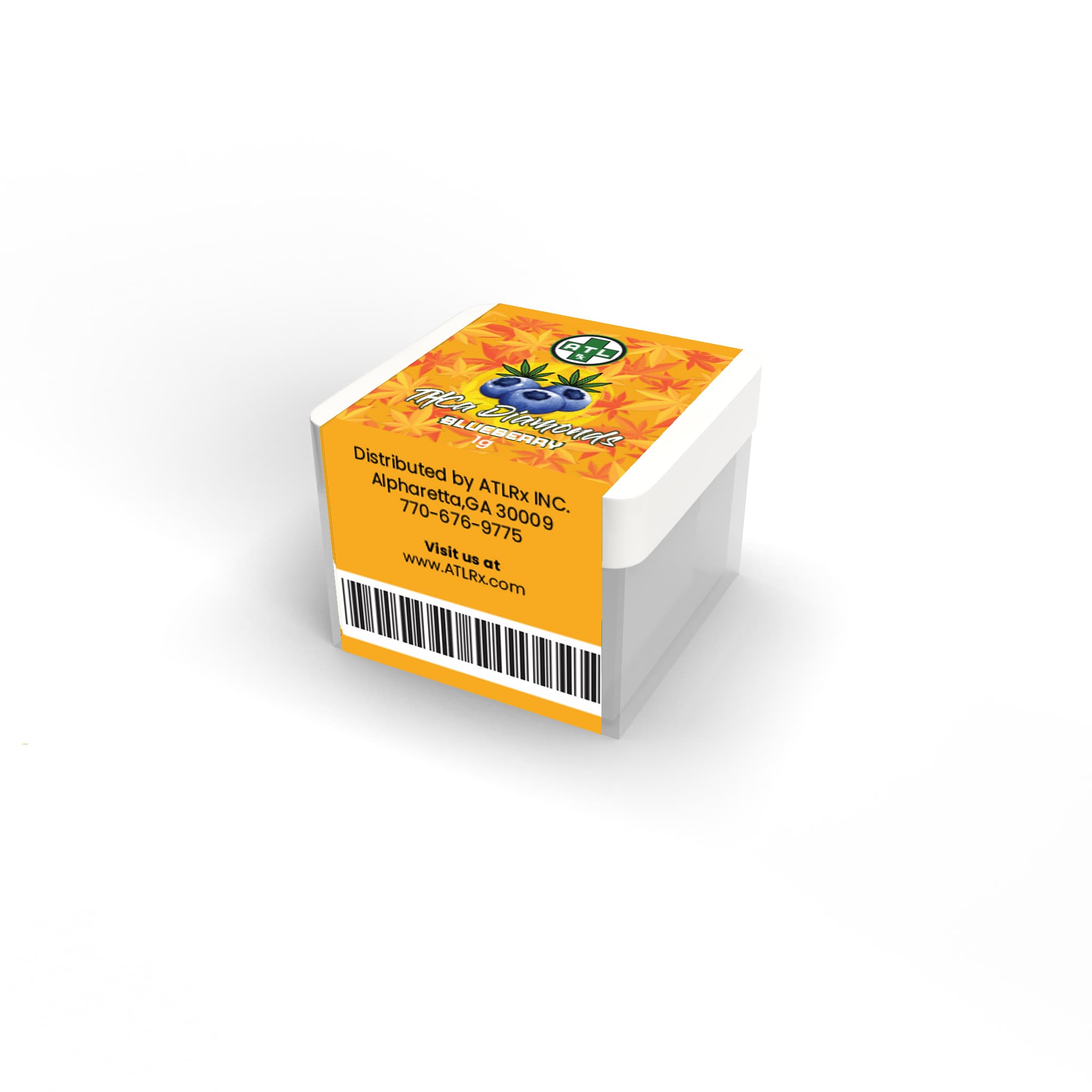
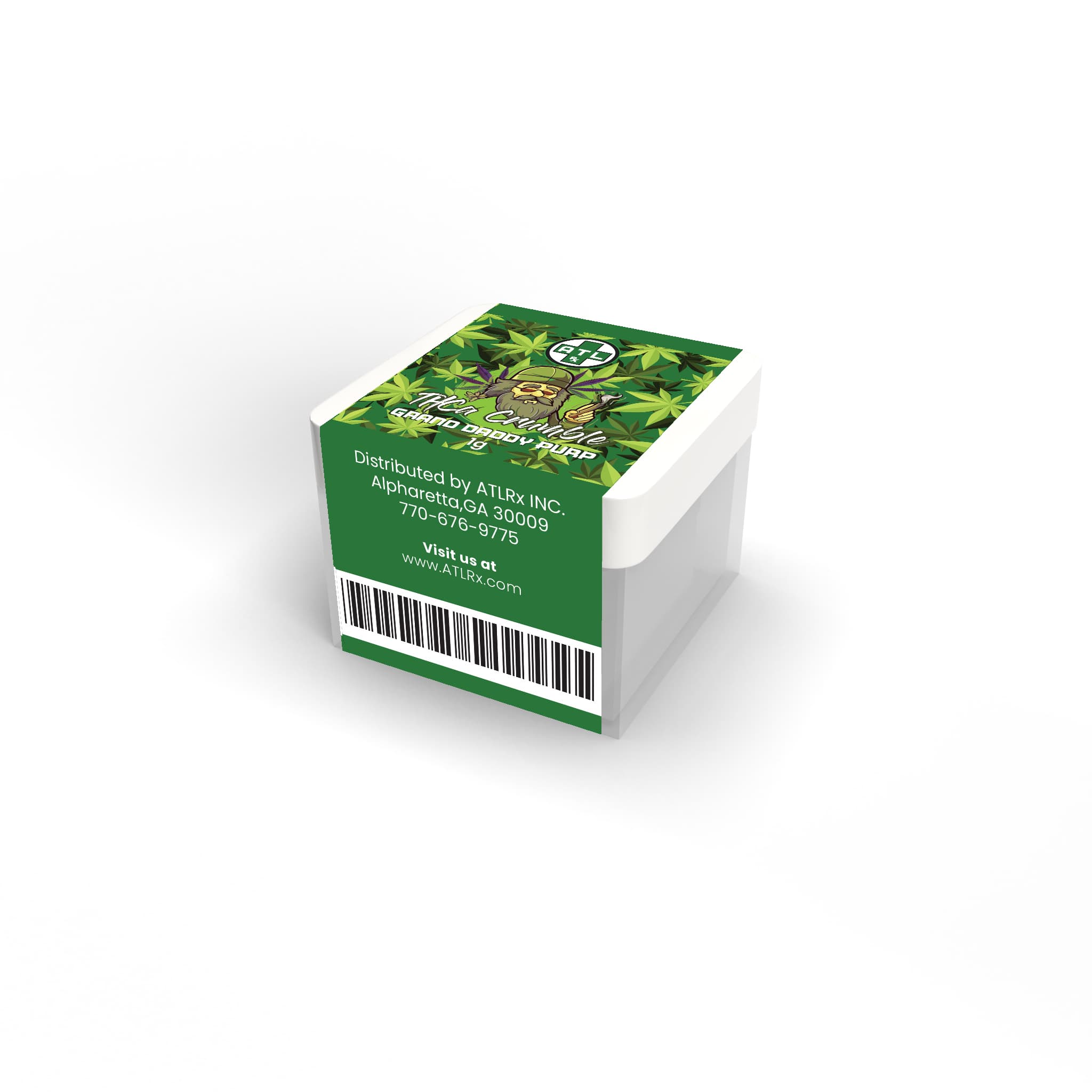
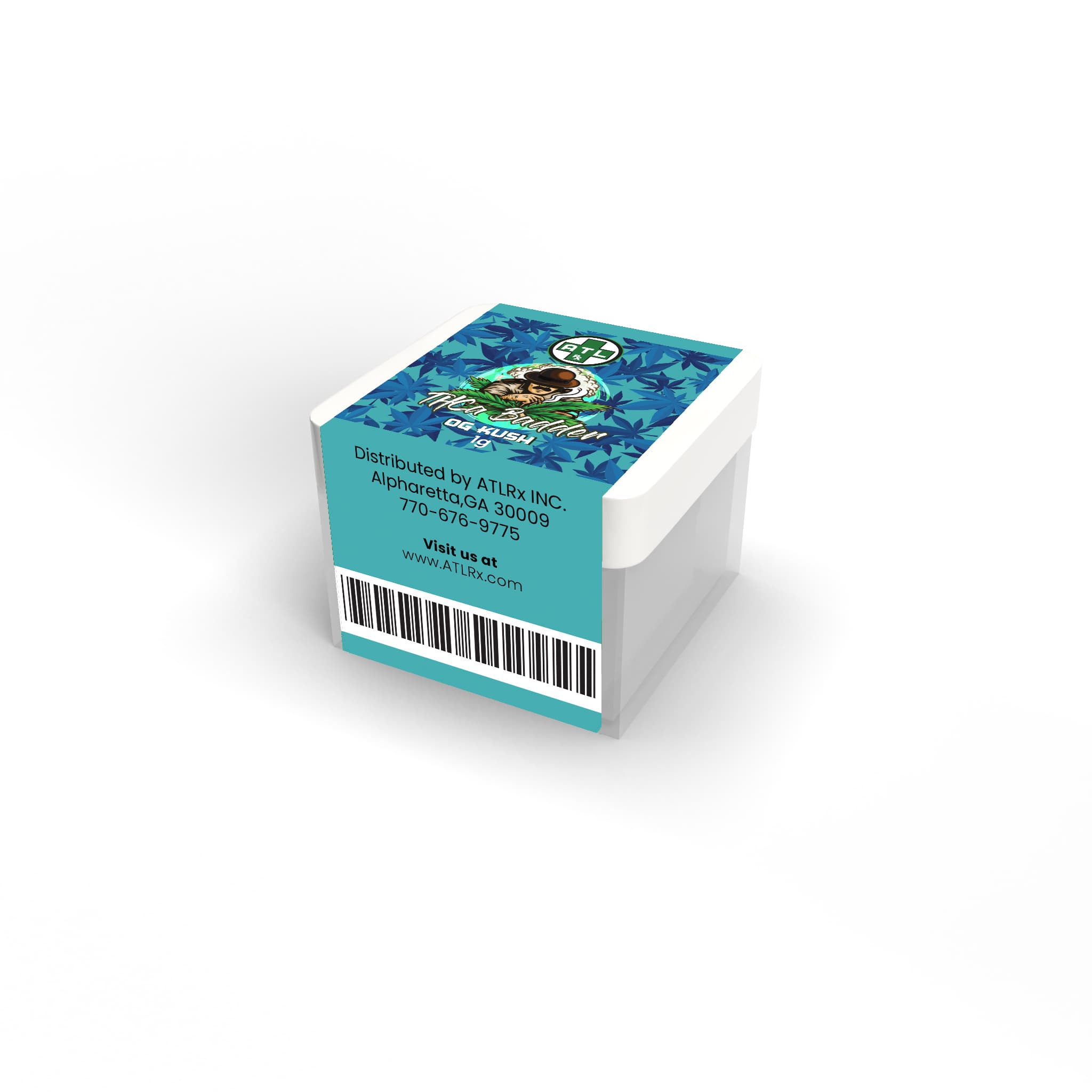
THCa Concentrates (Diamonds, Badder, Crumble):
Status: Banned
Concentrates typically contain 70-99% THCa, making compliance impossible under any reasonable interpretation.
Delta-8 THC Products:
Status: Likely Banned
Most delta-8 THC is synthesized from CBD through chemical conversion. The new law explicitly excludes:
- Cannabinoids manufactured or synthesized outside the plant
- Cannabinoids that don’t naturally occur in significant quantities
Unless produced through direct cannabis extraction (economically unfeasible), delta-8 products will be controlled substances.
Delta-10, THC-O, HHC, and Similar:
Status: Banned
These compounds are either fully synthetic or semi-synthetic and clearly excluded under the new definition.
Low-Dose Edibles:
Status: Potentially Compliant
Edibles meeting the 0.4mg per container limit may remain legal if:
- Source material is compliant hemp
- No synthetic cannabinoids used
- Total THC (including THCa) ≤0.4mg per package
- All other requirements met
Example: A 10-serving gummy package could theoretically contain 0.04mg THC per gummy (0.4mg total), though effects would be minimal to non-existent.
CBD Products:
Status: Largely Unaffected
Pure CBD products without significant THC or THCa should remain compliant, as they’ve always been under federal hemp law.
THCa Tinctures/Oils:
Status: Depends on Formulation
Low-concentration tinctures might remain compliant if total THC stays under both:
- 0.3% by weight in the tincture itself
- 0.4mg per container
High-concentration THCa tinctures will be non-compliant.
FDA Guidance (Due February 10, 2026)
The FDA must publish critical guidance that will clarify ambiguities in the new law:
Required Publications:
- Complete List of Natural Cannabinoids:
All cannabinoids known to be naturally produced by Cannabis sativa L., based on peer-reviewed literature - THC-Class Cannabinoids:
Specific identification of all tetrahydrocannabinol compounds naturally occurring in cannabis - “THC-Like” Cannabinoids:
List of cannabinoids with similar effects to THC, or marketed as having similar effects - Container Definition:
Clarification on what constitutes a “container” for the 0.4mg limit:- Is it per bottle, per package, per retail unit?
- How are multi-serving products counted?
- What about bulk packaging vs. individual serving packaging?
Industry Impact:
This guidance will determine which products can be reformulated for compliance and which must be discontinued entirely. Until published, manufacturers face uncertainty about compliance pathways.
State Authority Under New Law
No Preemption Clause:
The new federal law does not explicitly preempt state laws, meaning:
- States can maintain stricter standards (like Florida’s current approach)
- States can regulate or ban specific cannabinoids
- States can impose additional testing, packaging, or licensing requirements
- States cannot make federally illegal products legal
Florida’s Position:
Florida’s current total THC approach already aligns with the new federal standard, so Floridians may see less disruption than other states. However, Florida may:
- Further restrict products beyond federal minimums
- Implement additional regulations in the 2026 legislative session
- Adjust licensing or testing requirements
- Modify enforcement priorities
What Happens to Current Inventory?
The One-Year Grace Period:
The law provides approximately one year between passage (November 2025) and enforcement (November 2026) for the industry to adjust.
Manufacturer Options:
- Reformulation: Develop new compliant products
- Inventory Liquidation: Sell existing stock before the November 2026 deadline
- Business Pivot: Transition to compliant CBD or other hemp products
- Market Exit: Close operations if the business model depends on non-compliant products
Retailer Concerns:
- Products purchased before November 2026 become controlled substances after the deadline
- Selling controlled substances without proper licensing = federal crime
- Retailers must verify supplier compliance with new standards
- Existing inventory may need disposal if non-compliant
Consumer Impact:
- Products purchased legally before November 2026 don’t retroactively become illegal to possess
- However, continued purchase of non-compliant products after November 2026 could constitute possession of controlled substances
- Market availability of THCa products will decline sharply
Preparing for 2026 Changes
For Consumers:
✅ Understand the timeline: Products available now may disappear by late 2026
✅ Don’t stockpile: Laws may change further, and products degrade over time
✅ Follow reformulations: Some manufacturers may create compliant alternatives
✅ Explore alternatives: Consider compliant CBD products or state-legal medical marijuana
✅ Stay informed: Subscribe to FDACS updates and industry news
For Businesses:
✅ Audit inventory: Identify which products will be non-compliant
✅ Develop reformulation plans: Work with formulators to create compliant alternatives
✅ Consult legal counsel: Understand liability and compliance requirements
✅ Adjust supply chains: Ensure suppliers will provide compliant source material
✅ Communicate with customers: Transparent updates build trust during transition
✅ Plan for business model changes: Diversify beyond products that will be banned
How to Buy THCa Legally in Florida
Step-by-Step Compliance Checklist
Before Making Any Purchase:
Step 1: Verify Retailer Licensing
☑ Check FDACS Database:
- Visit www.fdacs.gov/Divisions-Offices/Food-Safety
- Search for businesses in the Hemp Food Establishment registry
- Confirm the license is active and current
- Verify physical address matches location
☑ Look for Posted Licenses:
- Legitimate retailers display licenses visibly
- The license should show the current year
- Business name should match
Step 2: Examine Product Packaging
☑ Child-Resistant Packaging:
- Does it meet ASTM D 3475-20 standard?
- Difficult for children under 5 to open?
- Proper certification markings?
☑ Required Labels Present:
- Cannabinoid content (per serving and total)
- Serving size in household measurements
- Total THC percentage/amount
- Ingredient list
- Manufacturing date and expiration date
- Storage instructions
- Warning labels
- Batch/lot number
☑ QR Code or Barcode:
- Scannable code present on packaging
- Code is not scratched off or damaged
- Easily accessible on the outer packaging
Step 3: Verify Certificate of Analysis (COA)
☑ Access the COA:
- Scan QR code or visit the manufacturer’s website
- Should load within 3 steps maximum
- The document should be a professional laboratory report
☑ Check Laboratory Information:
- Independent, third-party lab (not in-house)
- Lab name, address, and license number visible
- Testing date within an acceptable range
- Not expired (check manufacturer expiration + 90 days)
☑ Verify Total THC Calculation:
- Look for “Total THC” or “Total Potential THC”
- Should show: Δ9-THC + (0.877 × THCa) or similar calculation
- Confirm total is ≤0.3%
- If only delta-9 THC is shown without THCa data = red flag
☑ Check Full Safety Panel:
- Pesticides: Pass/Not Detected
- Heavy metals: Below limits
- Microbials: Pass
- Residual solvents: Pass/Below limits
- Mycotoxins: Pass/Not Detected
☑ Batch Number Match:
- Batch/lot number on COA matches product packaging
- If numbers don’t match, COA is for a different product
Shop THCa
View all →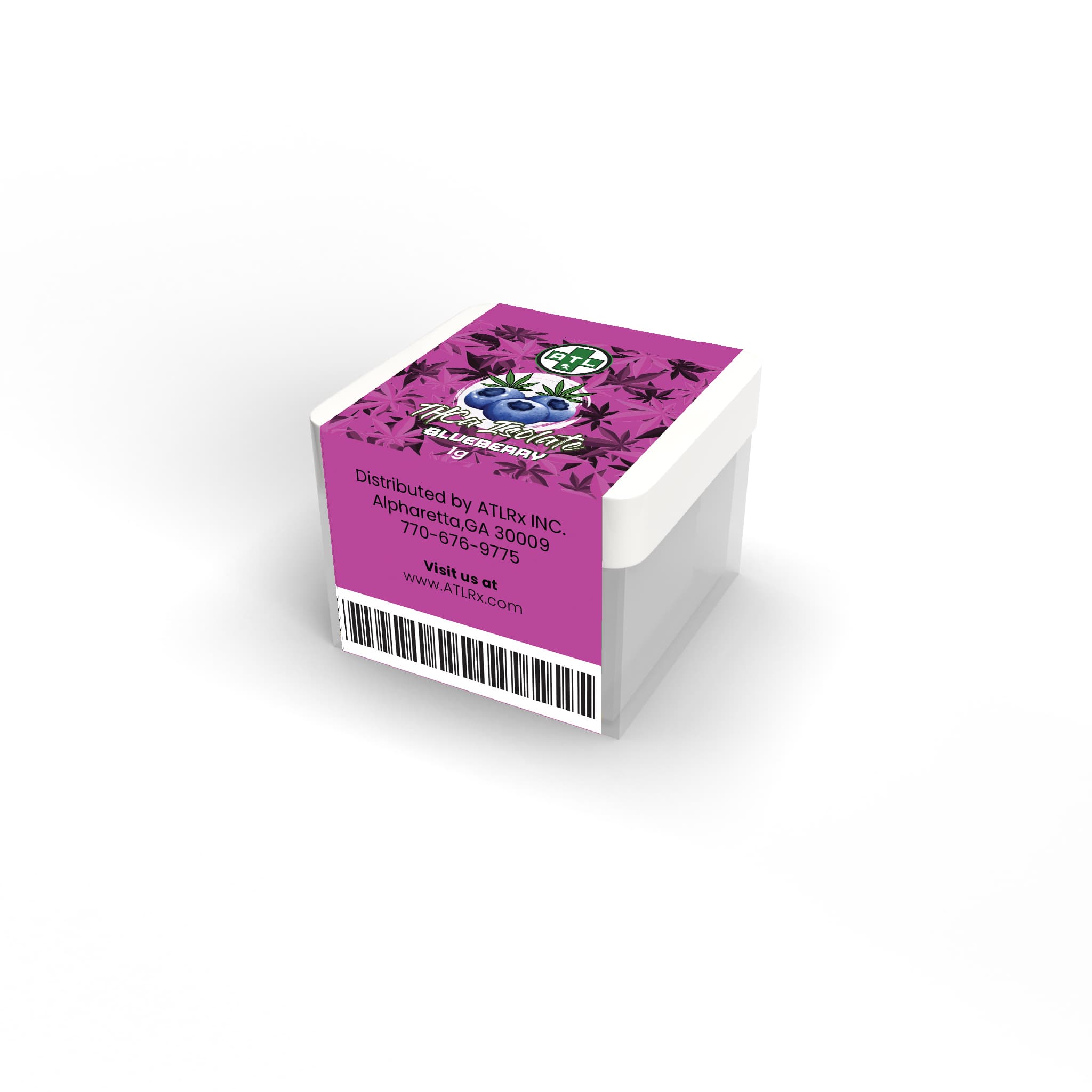
Step 4: Evaluate Marketing and Claims
☑ Avoid Products That:
- Make health, therapeutic, or medical claims
- Target or appeal to children
- Resemble familiar candy brands
- Use cartoon characters or child-appealing imagery
☑ Look for Responsible Marketing:
- Clear 21+ age statements
- Educational information about cannabinoids
- Dosing guidance
- Responsible use recommendations
Step 5: Confirm Age Verification
☑ Retailer Should:
- Check ID for all customers who appear under 30
- Have posted 21+ signage
- Refuse sales to anyone under 21
- Use proper ID verification procedures
Step 6: Ask Questions
Quality retailers will readily answer:
❓ “Can you show me the current Certificate of Analysis?”
✅ Should produce immediately or scan the QR code with you
❓ “What is the total THC content, including THCa?”
✅ Should know the calculation and show documentation
❓ “Is this product compliant with Florida’s 2025 regulations?”
✅ Should confidently confirm and explain compliance
❓ “Do you have your FDACS Hemp Food Establishment license?”
✅ Should show license or license number
❓ “What happens if regulations change in 2026?”
✅ Should acknowledge changes and have a communication plan
Red Flags:
- Evasive or dismissive answers
- “Don’t worry about it,” responses
- Inability to produce COAs
- Claims that testing isn’t necessary
- Pressure tactics to buy quickly
Step 7: Start Low, Go Slow
Even with compliant products:
☑ First-time users:
- Start with the lowest available dose
- Wait 2+ hours for edibles before taking more
- Have a trusted person present
- Be in a safe, comfortable environment
☑ Understand the differences:
- THCa in raw form = non-intoxicating
- THCa after heating = intoxicating (becomes THC)
- Effects vary significantly by consumption method
- Individual tolerance varies widely
Where to Find FDACS-Licensed Retailers
Resources:
- FDACS Website: www.fdacs.gov/Divisions-Offices/Food-Safety
- Search Database: Food Establishment license search tool
- Filter for: Hemp food establishments in your county
Types of Licensed Retailers:
- Dedicated hemp/CBD stores
- Natural health stores
- Some smoke shops (verify licensing)
- Online retailers shipping to Florida (verify Florida licenses)
Online Purchases: Extra Caution Required
Verify Before Ordering:
☑ Florida-Specific Compliance:
- Does the retailer explicitly state Florida compliance?
- Do they understand Florida’s total THC standard?
- Will they provide Florida-specific COAs?
☑ Shipping Verification:
- Some retailers won’t ship THCa products to Florida
- Verify shipping policy explicitly covers your product type
- Understand return/refund policies
☑ Age Verification:
- Legitimate retailers require ID upload or an adult signature on delivery
- Avoid sites that don’t verify age
☑ Payment Security:
- Use secure payment methods
- Be cautious of sites requesting unusual payment methods
- Check for SSL certificates (https://)
Risks of Online Purchases:
- Harder to verify actual product compliance
- No opportunity to inspect the packaging before purchase
- Potential shipping delays or seizures
- More difficult to resolve disputes
Red Flags That Should Stop a Purchase
???? Don’t Buy If:
- No scannable QR code or COA available
- COA only shows delta-9 THC without THCa
- Total THC exceeds 0.3%
- Packaging appeals to children
- No child-resistant packaging
- The retailer has no FDACS license
- The product makes health or medical claims
- The price is suspiciously low compared to the market
- Retailer can’t answer basic compliance questions
- Pressure to buy immediately
- Claims product is “FDA approved”
- Marketing suggests synthetic cannabinoids
- Batch numbers don’t match between the product and the COA
- COA is expired or undated
- The laboratory listed is not independent
Medical Marijuana vs. Hemp-Derived THCa
Florida operates two parallel cannabis systems with distinct rules, products, and access requirements.
Florida’s Medical Marijuana Program
Established: 2016 (Amendment 2 to the Florida Constitution)
Administered by: Florida Department of Health Office of Medical Marijuana Use (OMMU)
Qualifying Conditions:
- Cancer
- Epilepsy
- Glaucoma
- HIV/AIDS
- Post-traumatic stress disorder (PTSD)
- Amyotrophic lateral sclerosis (ALS)
- Crohn’s disease
- Parkinson’s disease
- Multiple sclerosis (MS)
- Terminal conditions
- Chronic nonmalignant pain (physician documented)
- Medical conditions of the same kind or class or comparable to the above
How to Qualify:
- See Qualified Physician:
- Must be a Florida-licensed physician
- Must complete Medical Marijuana Use Registry training
- Will evaluate your qualifying condition
- Issue a physician certification if qualified
- Apply for Medical Marijuana Card:
- Submit the application through the OMMU online system
- Pay $75 application fee ($75 annual renewal)
- Reduced fee for veterans, SNAP recipients
- Wait for approval (typically 5-10 business days)
- Purchase from Licensed Dispensaries:
- Only Medical Marijuana Treatment Centers (MMTCs) can sell
- Must show a valid medical marijuana card and ID
- Products tracked in the state registry
What’s Allowed:
- THC content: Up to 0.8% for low-THC products; no specific limit for full-strength medical marijuana
- Forms: Flower (smokable since 2019), oils, tinctures, topicals, edibles, vaporization products, capsules
- Purchase limits: Up to 2.5 ounces of flower every 35 days (4 ounces for terminal conditions)
- Physician oversight: The Doctor determines specific recommendations and limits
Hemp-Derived THCa System
Established: 2019 (Florida hemp program aligned with 2018 Farm Bill)
Administered by: Florida Department of Agriculture and Consumer Services (FDACS)
Qualifying Criteria:
- Age 21 or older (only requirement)
- No medical condition needed
- No physician certification needed
- No state registry
How to Purchase:
- Find FDACS-Licensed Retailer:
- Hemp food establishment with a valid license
- Can be online or a physical location
- Show Valid ID:
- Proof of age 21+
- No registration required
- Purchase:
- No quantity limits (currently)
- No tracking in the state system
- Cash or card accepted
What’s Allowed:
- THC content: Maximum 0.3% total THC (including THCa)
- Forms: Flower, pre-rolls, edibles, tinctures, topicals, vapes (if compliant with total THC limits)
- Purchase limits: None specified by state law
- No physician oversight
Key Differences Comparison
| Feature | Medical Marijuana | Hemp-Derived THCa |
| Age Requirement | Any age (with parental consent if minor) | 21+ only |
| Medical Condition | Must qualify | None required |
| Doctor Involvement | Required | Not required |
| State Registration | Yes (medical card) | No |
| THC Limits | No limit (full-strength) | 0.3% total THC maximum |
| Product Potency | High (5-90%+ THC) | Low to moderate (if compliant) |
| Purchase Locations | Licensed MMTCs only | FDACS-licensed hemp retailers |
| Cost | $75 card + doctor visit + products | Products only (no registration fees) |
| Privacy | State tracking system | No state tracking |
| Flower Allowed | Yes (high THC) | Only if ≤0.3% total THC |
| Federal Status | Still federally illegal | Federally legal (currently) |
| Interstate Travel | Prohibited | Potentially allowed (check destination state) |
| Regulatory Body | Florida Dept of Health | Florida Dept of Agriculture |
Which System is Right for You?
Consider Medical Marijuana If:
- You have a qualifying medical condition
- You want access to higher-potency products
- You need physician guidance on cannabinoid use
- You prefer established medical oversight
- You want consistent, tested products from licensed medical dispensaries
- You’re willing to pay registration fees and annual renewals
- Privacy concerns about the state registry are acceptable
Consider Hemp-Derived THCa If:
- You don’t have a qualifying medical condition
- You prefer no physician involvement
- You want to avoid state registration
- You’re comfortable with lower-potency products
- You prefer the convenience of wider retail availability
- You’re willing to carefully verify compliance yourself
- You understand the evolving legal landscape and accept uncertainty
Why Some Choose Both:
- A medical card provides legal protection and higher potency options
- Hemp products offer convenience for milder, daily use
- Different products serve different purposes
- Hemp products may be more affordable for low-dose applications
- Backup access if one system faces disruptions
Important Considerations
Employment:
- Neither system protects against employer drug testing or disciplinary action
- Florida law doesn’t prohibit employers from enforcing drug-free workplace policies
- Federal contractors and safety-sensitive positions are often prohibited
- A medical card doesn’t guarantee employment protection
Federal Implications:
- Medical marijuana remains federally illegal (Schedule I)
- Hemp-derived THCa is federally legal until November 2026
- Both can impact federal employment, security clearances, and gun ownership
- Both systems prohibit driving under the influence
Housing:
- Landlords may prohibit cannabis use in lease agreements (medical or hemp)
- Federal housing programs may prohibit medical marijuana use
- Smoking restrictions often apply regardless of the substance
Conclusion
THCa’s legal status in Florida reflects the rapidly evolving landscape of hemp regulation in the United States. While currently legal under specific conditions—hemp-derived products with ≤0.3% total THC sold through licensed retailers with proper testing and packaging—significant changes loom on the horizon.
Key Takeaways:
✅ Current Status (February 2026): Legal with strict compliance requirements
⚠️ November 2026: Major federal restrictions take effect
???? Compliance Matters: Total THC calculation, proper testing, licensed retailers
???? Verify Everything: COAs, licenses, labeling, QR codes
⏰ Stay Informed: Laws changing rapidly—monitor official sources
The Bottom Line:
Florida consumers can currently access hemp-derived THCa products, but only those that meet rigorous state standards. The upcoming federal changes will dramatically restrict product availability, making compliant alternatives and a thorough understanding of regulations more important than ever.
Whether you’re considering THCa for the first time or have been a long-time consumer, prioritize compliance, verify your sources, and stay updated on regulatory developments. The hemp industry is at a crossroads, and informed consumers will navigate the transition most successfully.
Questions? Contact ATLRx customer service for assistance with product selection, compliance verification, and understanding how upcoming regulations may affect your purchases.
Frequently Asked Questions
General Legality
+
Is THCA Legal in Florida Right Now?
+
Yes, hemp-derived THCa is currently legal in Florida if products contain ≤0.3% total THC using Florida’s calculation (Δ9-THC + 0.877 × THCa). However, major federal changes take effect in November 2026 that will likely make most current THCa products illegal.
Will My THCA Products Become Illegal in 2026?
+
Most high-THCa flower and concentrate products will become federally illegal as of November 12, 2026, when the new hemp definition takes effect. Low-dose edibles meeting the 0.4mg per container limit may remain legal. Products legally purchased before that date don’t retroactively become illegal to possess, but continued purchase after the deadline would be illegal.
Can I Get Arrested for Having THCA in Florida?
+
If your THCa product is compliant (≤0.3% total THC, proper documentation, from a licensed retailer), it should be legal. However, field tests can’t distinguish hemp from marijuana, potentially leading to detention until confirmatory lab testing. Non-compliant products could be charged as marijuana possession.
Is THCa the same as THC?
+
No. THCa (tetrahydrocannabinolic acid) is non-psychoactive in its raw form. When heated through smoking, vaping, or cooking, THCa converts to delta-9 THC, which is psychoactive and intoxicating. They are distinct molecules with different legal statuses and effects.
Testing and Compliance
+
What Is “Total THC” And Why Does It Matter?
+
Total THC is a calculation that includes existing delta-9 THC plus the potential THC that would result if all THCa were converted through decarboxylation. Florida’s formula: Total THC = Δ9-THC + (0.877 × THCa). This matters because Florida enforces compliance based on total THC, not just delta-9 THC, making many products that appear “legal” actually non-compliant.
How Do I Read a Certificate of Analysis (COA)?
+
A proper COA should show:
- Laboratory name and contact information
- Testing date and batch number
- Cannabinoid panel including both delta-9 THC and THCa
- Total THC calculation
- Safety tests (pesticides, heavy metals, microbials, solvents)
- Pass/fail status for each test
- Verify the batch number matches your product packaging
What If a Product Only Shows Delta-9 THC on the COA without THCA?
+
This is a major red flag. Products intended for smoking or vaping should always show THCa content since raw cannabis contains primarily THCa, not delta-9 THC. A COA showing only delta-9 without THCa suggests incomplete testing or potential non-compliance with Florida’s requirements.
Can I Trust a COA If It’s on the Manufacturer’s Website?
+
Only if it’s from an independent, third-party laboratory. The COA should clearly identify the lab (not the manufacturer), and you can verify the lab’s legitimacy by checking state licensing databases. In-house testing or COAs without clear lab identification are not trustworthy for compliance verification.
Products and Consumption
+
What’s the Difference Between THCA Flower and Regular Marijuana?
+
Chemically, high-THCa hemp flower and marijuana flower are nearly identical—both contain high levels of THCa that convert to THC when heated. The legal distinction is based on testing: hemp must test ≤0.3% total THC, while marijuana exceeds that limit. In practice, many products marketed as “legal THCa flower” would test as marijuana under Florida’s total THC calculation.
Will THCA Show up on a Drug Test?
+
Yes. Drug tests detect THC and its metabolites. Since THCa converts to THC when consumed (through smoking, vaping, or digestion), regular use of THCa products will result in positive drug tests. Some tests might directly detect THCa as well. “Hemp-derived” doesn’t prevent a positive drug test result.
Can I Fly with THCA Products?
+
Within Florida: Technically legal if the product is compliant, but TSA is federal and may have different interpretations.
Interstate: Very risky. Crossing state lines with cannabis products can trigger federal jurisdiction, and destination states may have different laws. Not recommended.
International: Illegal. Do not attempt to fly internationally with any THC-containing products.
What’s a Safe Dose of THCA?
+
This depends on the consumption method and individual tolerance. For heated/smoked THCa (which converts to THC):
- New users: 2-5mg THC equivalent (very small amount)
- Edibles: Start with 2.5-5mg, wait 2+ hours before more
- Smoking/vaping: One or two small inhalations, wait 15 minutes
Remember: THCa in raw form is non-intoxicating, but becomes intoxicating when heated.
Can I Make Edibles with THCA Flower at Home?
+
Legally, if you use compliant THCa hemp flower, yes. Practically, it’s difficult to create accurately dosed edibles at home, and the decarboxylation process in cooking will convert THCa to THC. The resulting product’s total THC may exceed legal limits. Purchase lab-tested edibles rather than making your own for compliance and safety.
Medical Marijuana vs. Hemp
+
Do I Need a Medical Card to Buy THCA Products?
+
No. Hemp-derived THCa products can be purchased by anyone 21+ without a medical card or physician recommendation. Medical marijuana (which can have higher THC) requires a medical card.
If I Have a Medical Marijuana Card, Can I Still Buy Hemp-derived THCA?
+
Yes. Having a medical card doesn’t prohibit hemp purchases. However, medical dispensaries offer higher-potency products that may better serve medical needs than low-THC hemp products.
Is Medical Marijuana Stronger Than THCA Products?
+
Generally, yes. Medical marijuana can contain 15-30%+ THC legally, while hemp-derived products must stay under 0.3% total THC. However, some THCa flower marketed as “hemp” actually contains levels comparable to marijuana (which makes it non-compliant, but it’s still sometimes sold).
Will Medical Marijuana Become Recreational in Florida?
+
This is a political question beyond legal analysis. Amendment 3 (2024 ballot measure for recreational marijuana) failed to pass. Future ballot initiatives or legislative action could change this, but as of February 2026, recreational marijuana remains illegal in Florida.
Retail and Purchasing
+
How Do I Know If a Retailer Is Legitimate?
+
Check these markers:
- Valid FDACS Hemp Food Establishment license (verify on the FDACS website)
- Products have scannable QR codes linking to COAs
- Age verification required
- Knowledgeable staff who can answer compliance questions
- Professional presentation and labeling
- Transparent about regulations and changes
Why Are Prices So Different Between Retailers?
+
Price variations can reflect:
- Compliance costs (testing, packaging, licensing)
- Product quality and sourcing
- Retailer overhead costs
- Volume discounts
- Warning: Unusually low prices may indicate non-compliant products, cutting corners
Can I Return THCA Products If I’m Not Satisfied?
+
Return policies vary by retailer. Many reputable retailers offer satisfaction guarantees, while others have no-return policies for opened products due to regulatory concerns. Check return policies before purchase.
Do Online Retailers Ship to Florida?
+
Some do, but many have stopped shipping high-THCa products to Florida due to the state’s strict total THC enforcement. Always verify the retailer understands Florida’s specific requirements before ordering. Expect delays or shipment rejections.
Legal Concerns
+
What Happens If I’m Caught with Non-compliant THCA?
+
Non-compliant THCa products (exceeding 0.3% total THC) are legally classified as marijuana, a Schedule I controlled substance in Florida. Potential consequences:
- Under 20 grams: First-degree misdemeanor (up to 1 year jail, $1,000 fine)
- 20 grams or more: Third-degree felony (up to 5 years in prison, $5,000 fine)
- Criminal record impacts employment, housing, and education
- Product seizure
Can My Employer Fire Me for Using Legal THCA Products?
+
Yes. Florida is an at-will employment state, and even legal hemp use doesn’t protect against employer drug policies. Many employers maintain zero-tolerance policies for any THC, regardless of source or legality. Check your employee handbook and company policies.
Does Florida Have THCA DUI Laws?
+
Yes. Florida Statute §316.193 prohibits driving under the influence of any controlled substance or substance that impairs normal faculties. This includes THC from hemp-derived sources. THCa, which converts to THC when consumed, can impair and lead to DUI charges. No specific THC blood-level limit exists—impairment is determined by officer observation and field sobriety tests.
Can My Landlord Prohibit THCA Use?
+
Yes. Landlords can prohibit cannabis use of any kind (including legal hemp products) in lease agreements. Smoking prohibitions often apply regardless of substance. Review your lease carefully and get written permission before using cannabis products in rental properties.
2026 Changes
+
Should I Stock up on THCA Products Before November 2026?
+
Not recommended. While products purchased legally before November 2026 don’t retroactively become illegal to possess, several concerns exist:
- Products degrade over time (cannabinoids, terpenes)
- Laws may change further
- Storage challenges for large quantities
- Unknown enforcement approaches to pre-2026 inventory
- Opportunity cost if compliant alternatives emerge
Will Any THCA Products Remain Legal after November 2026?
+
Potentially, but significantly limited:
- Very low-dose edibles meeting the 0.4mg per container limit
- Products reformulated to meet new total THC standards
- Compliant CBD products (no significant THC/THCa)
- Most current high-THCa products will be non-compliant
What Will Replace THCA Products after the Ban?
+
Market alternatives may include:
- Traditional CBD products (non-intoxicating)
- CBN, CBG, and other non-THC cannabinoids
- Medical marijuana (for qualified patients)
- Compliant low-dose formulations
- New cannabinoid products if legal frameworks emerge
Could Florida Create a Recreational Marijuana Program Before November 2026?
+
Unlikely in that timeframe. Amendment 3 (recreational marijuana ballot measure) failed in 2024. Any new ballot initiative would require:
- Signature gathering (700,000+ verified signatures)
- Validation by the Florida Supreme Court
- 60% voter approval in the election. The Earliest realistic opportunity would be the 2026 general election (November), potentially implemented in 2027.
Staying Informed
+
Where Can I Get Updates on THCA Legality?
+
Monitor these resources:
- FDACS website: www.fdacs.gov (official state hemp regulations)
- FDA guidance: www.fda.gov (federal cannabinoid updates)
- Florida Legislature: www.flsenate.gov and www.myfloridahouse.gov (proposed bills)
- Industry associations: Florida hemp trade groups
- Legal news: Cannabis law publications and websites
Will ATLRx Update This Information as Laws Change?
+
Yes. We review and update this article monthly and immediately following major regulatory changes. Check the “Last Updated” date at the top of this article. Sign up for our newsletter to receive alerts about significant legal developments affecting Florida THCa laws.
Where to Buy Compliant THCa Products?
+
ATLRx: Your Source for Florida-Compliant Hemp Products
+
At ATLRx, we understand the complexity of Florida’s hemp regulations and are committed to providing products that meet all current state and federal compliance requirements.
Why Choose ATLRx:
✅ Full Compliance Commitment:
- All products tested using Florida’s total THC calculation
- Third-party laboratory testing for every batch
- COAs accessible via QR codes on all packaging
- FDACS-compliant packaging and labeling
✅ Transparency:
- Complete cannabinoid profiles available
- Clear dosing information
- Honest communication about regulatory changes
- No misleading marketing
✅ Quality Assurance:
- Rigorous testing for potency, purity, and safety
- Pesticide-free, heavy metal-screened products
- Proper storage and handling procedures
- Batch-tracked for quality control
✅ Educational Approach:
- Knowledgeable customer service team
- Resources for understanding regulations
- Dosing guidance and product selection help
- Updates on the changing legal landscape
Our Product Range:
THCa Flower (While Available):
- Lab-tested to verify total THC compliance
- Properly cured and stored
- Various strain options
- Complete terpene profiles
- Note: Availability subject to change based on November 2026 regulations
THCa Pre-Rolls (While Available):
- Convenient, pre-measured servings
- Child-resistant packaging
- Individual COAs accessible
- Compliant with Florida requirements
- Note: Availability subject to change based on November 2026 regulations
THCa Vape Cartridges (While Available):
- Distillate or live resin options
- Compatible with standard 510 batteries
- Heavy metal-free hardware
- Full safety testing
- Note: Availability subject to change based on November 2026 regulations
CBD Products (Continuing Availability):
- Non-intoxicating cannabidiol products
- Unaffected by the 2026 hemp law changes
- Full spectrum, broad spectrum, and isolated options
- Tinctures, edibles, topicals, and more
How to Order from ATLRx
+
Online:
- Visit ATLRx.com
- Browse compliant products with QR code COA access
- Age verification required (21+)
- Fast shipping to Florida addresses
- Discreet packaging
Shipping to Florida:
- We verify Florida compliance for all orders
- Orders ship with copies of COAs
- Tracking is provided for all shipments
- An adult signature may be required
Customer Support:
- Questions about compliance? Contact our team
- Assistance with product selection
- Updates on regulatory changes
- Returns and satisfaction guarantee (see policy)
Our Commitment as Regulations Change
+
Transparency About 2026: We acknowledge that November 2026 will bring significant changes to hemp product availability. ATLRx is committed to:
- Providing clear communication about product availability
- Offering compliant alternatives as they’re developed
- Continuing to serve Florida customers within legal frameworks
- Supporting the development of sensible hemp regulations
Staying Compliant:
- Regular product audits against changing regulations
- Proactive reformulation when necessary
- Immediate compliance with new requirements
- Honest communication if products must be discontinued
Staying Updated on Legal Changes
The legal landscape for THCa and hemp-derived products is evolving rapidly. Staying informed is essential for compliance and making informed purchasing decisions.
Official Government Resources
+
Florida Department of Agriculture and Consumer Services (FDACS):
- Website: www.fdacs.gov/Divisions-Offices/Food-Safety
- Updates: Rule changes, enforcement actions, guidance documents
- Licensing: Search the hemp food establishment database
- Contact: 1-800-HELP-FLA (1-800-435-7352)
Florida Department of Health – Office of Medical Marijuana Use:
- Website: knowthefactsmmj.com
- Resources: Medical marijuana program information
- Registry: Medical card application and management
Florida Legislature:
- Senate: www.flsenate.gov
- House: www.myfloridahouse.gov
- Bill tracking: Monitor proposed hemp legislation
- Session updates: Legislative calendar and hearing schedules
U.S. Food and Drug Administration (FDA):
- Website: www.fda.gov
- Search: “hemp” and “cannabinoid” for federal guidance
- Expected: February 2026 guidance on new hemp law
U.S. Department of Agriculture (USDA):
- Website: www.ams.usda.gov/rules-regulations/hemp
- Resources: Federal hemp production program updates
Monitoring Regulatory Changes
+
Set Up Alerts:
- Florida Legislature bill tracking (free online accounts)
- FDACS email notifications
- FDA RSS feeds for cannabinoid topics
- Google Alerts for “Florida hemp law” and “THCa regulations.”
Review Regularly:
- FDACS website monthly
- Industry news sources weekly
- This article’s “Last Updated” date
- Your retailer’s communications
Key Dates to Watch:
- February 10, 2026: FDA guidance publication deadline
- November 12, 2026: Federal hemp law takes full effect
- 2026 Legislative Session (March-May): Potential Florida law changes
- Quarterly: FDACS rule review and potential amendments
Industry and Advocacy Organizations
+
Florida Hemp Trade Groups:
- Florida Hemp Council
- Regional hemp business associations
- Advocacy organizations (monitor policy positions)
National Organizations:
- U.S. Hemp Roundtable
- National Hemp Association
- Hemp Industry Daily (news and analysis)
Legal and Professional Resources
+
If You Need Legal Advice:
- Consult a Florida-licensed attorney with cannabis law experience
- Legal aid societies for low-income individuals
- Bar association referral services
Remember:
This article provides educational information, not legal advice. For specific legal questions about your situation, consult a qualified attorney.
Consumer Protection Resources
+
Report Problems:
- Non-compliant products: FDACS Division of Food Safety
- Consumer fraud: Florida Attorney General’s Office
- Adverse reactions: FDA MedWatch (www.fda.gov/medwatch)
Verify Retailer Licenses:
- FDACS website license lookup
- Better Business Bureau ratings
- Online reviews (with appropriate skepticism)
Sign Up for ATLRx Updates
+
Stay informed about Florida hemp law changes with our newsletter:
- Monthly regulatory updates
- Product availability changes
- Compliance guidance
- Special offers for Florida customers
This article provides educational information about Florida hemp laws and regulations as of February 12, 2026. It is not legal advice and does not create an attorney-client relationship. Laws and regulations change frequently. For specific legal questions, consult a Florida-licensed attorney. For medical advice, consult a qualified healthcare provider.
ATLRx products are not intended to diagnose, treat, cure, or prevent any disease. The Food and Drug Administration has not evaluated statements about hemp-derived cannabinoids. ATLRx does not guarantee the accuracy, completeness, or usefulness of any information provided, which is for general informational purposes only.
Consumers are responsible for understanding and complying with all applicable federal, state, and local laws. By purchasing hemp-derived products, you accept all risks and responsibilities associated with their use.
Disclaimer:
Why Trust This Guide
- ATLRx has sold third-party lab-tested hemp products out of Georgia since 2019.
- Every real batch we sell is tested by an accredited outside lab, with the Certificate of Analysis published before you buy.
- We operate 3 real physical stores in Georgia — this isn't a drop-shipped storefront.
- Legal information is rechecked and updated as rules change, not published once and forgotten.
Don't Trust the Label. Check the Lab.
ATLRx publishes third-party Certificates of Analysis for real batches so you can verify cannabinoid content before you buy — not just take the package's word for it.
View Lab Results →Have Questions?
Visit an ATLRx store in Georgia and talk to our team.
Real Customers, Real Reviews
What Customers Are Saying
“Exactly what was promised excellent product”
“Really nice high”
“Very good! Gives me energy!”

Jen Hight
Cannabis Industry Expert & Compliance Specialist Jen Hight is a cannabis industry professional with extensive experience in hemp compliance, product development, and consumer education. With a background in regulatory affairs and a passion for helping consumers navigate the complex world of cannabinoids, Jen provides accurate, up-to-date information on hemp legality and best practices. Her work focuses on making cannabis knowledge accessible while ensuring readers understand both the opportunities and responsibilities that come with legal hemp products.
View all articles →Keep Learning
Best THCA Flower 2026
The best THCA flower is indoor-grown, slow-cured, and backed by a full-panel certificate of analysis from a third-party lab. Look for lab-verified THCA content above 20 percent, a published terpene percentage, dense, uneven trichome coverage, and a batch number that matches the jar you receive. Table of contents: How a Batch Earns a Spot Here […]
Aug 23, 2026 · 14 min read
Is THCA Flower Legal? Current Law Explained 2026
Yes, under federal law today, if it comes from hemp and tests at or below 0.3% delta-9 THC by dry weight. On November 12, 2026, that test is replaced, and THCA gets folded into the THC figure that regulators measure against. State law is a separate question, and only seven states still use the delta-9 […]
Aug 20, 2026 · 14 min read
Is THCA Legal? Complete State-by-State Guide 2026
Federally, yes, for now. The 2018 Farm Bill treats hemp-derived THCA as legal hemp so long as the delta-9 THC reading stays at or below 0.3% of dry weight. That flips on November 12, 2026, when Section 781 switches the federal test to total THC, and total THC counts THCA. Your state may already be […]
Aug 20, 2026 · 18 min read
Is THCA Legal in Connecticut? Complete 2026 Legal Guide
THCA Legal Status in Connecticut: Yes, but with major limits, THCA is not banned as a substance in Connecticut, but it is tightly regulated. Because the state measures hemp by total THC (0.3% or less on a dry-weight basis, with THCA counted in), most high-THCA products such as ATLRx THCA Flower exceed the hemp limit […]
Jul 12, 2026 · 10 min read
Stay Informed
New product releases, hemp law updates, and useful cannabinoid guides.