Decarboxylation: Transforming THCA into THC

Imagine you’re a chef in a gourmet kitchen, where the transformation of ingredients is key to creating a masterpiece. In the world of cannabis, decarboxylation is the culinary magic that transforms THCA into THC, the psychoactive compound that gives that desired feeling. But why is this process necessary, and how does it work? Let’s dive into the fascinating science of decarboxylation and discover how this crucial step unlocks the true potential of cannabis.
Key Takeaways
- 01Decarboxylation is Essential for Psychoactivity: The process of decarboxylation is crucial as it converts non-psychoactive THCA into psychoactive THC, akin to how heat transforms dough into bread. This step is necessary for experiencing the psychoactive effects of cannabis.
- 02Different Methods for Different Needs: Various methods, like oven baking, stovetop stirring, or using specialized equipment, are available for decarboxylating cannabis, each with its own nuances. Choosing the right method depends on personal preference and the tools available.
- 03Crucial for Infused: Products and Concentrates: Decarboxylation is a pivotal step in the preparation of cannabis edibles and tinctures, as well as in the extraction processes for creating potent cannabis concentrates like oils and resins. Without this, the final products won’t achieve the desired potency and effects.
- 04Mastering the Art for Optimal Results: Achieving perfect decarboxylation is an art that involves precise temperature and timing control. Avoid common mistakes such as overheating, which can degrade THC and reduce potency, to ensure effective conversion from THCA to THC.
Understanding THCA and THC
Cannabis’ precursor, tetrahydrocannabinolic acid, is a non psychoactive compound. Think of it as the dough before it becomes bread. Cannabis’ psychoactive properties come from a compound called tetrahydrocannabinol, or THC. Decarboxylation converts THCA into THC.
Learn More: What is THCA?
The Science Behind Decarboxylation
Decarboxylation sounds complex, but it’s essentially a fancy term for applying heat. As a result of this process, a carboxyl group is removed from THCA, releasing carbon dioxide and converting it to THC. The science is similar to baking soda reacting in a cake mix – it needs heat to activate and rise. Without this process, using cannabis would have little to no psychoactive effect, similar to using flour and expecting a cake.
Methods of Decarboxylation
There are several ways to decarboxylate cannabis, from the simple oven method to using specialized equipment. Whether you’re baking your cannabis in the oven, stirring it on a stovetop, or using a purpose-built decarboxylator, the goal is the same: to apply the right amount of heat for the right amount of time to convert THCA into THC. Each method has its nuances, and choosing the right one depends on your preferences and the materials you have on hand. We recommend that you leave decarboxylating to the professionals.
Importance of Cannabis Edibles and Tinctures
If you prefer edibles or tinctures over burning, decarboxylation becomes a crucial step for you. Just like baking the dough is necessary to make a loaf of bread, decarboxylating the cannabis is necessary before you create edibles or tinctures. Follow this process, and your simple THCA goody will transform into a powerful experience, ensuring the final product has the potential desired effects for you.
Decarboxylation and Cannabis Extraction
In your journey through cannabis extraction, you’ll find that decarboxylation plays a pivotal role in creating concentrates like oils, resins, and waxes. Before you proceed with extraction, ensure that you decarboxylate the cannabis to make sure your resulting product is potent and ready for usage. This step is crucial for you to produce high-quality concentrates with the desired effects.
Tips and Best Practices for Decarboxylation
Achieving the perfect decarboxylation is an art form. It involves controlling the temperature and time to ensure that THCA is fully converted into THC without degrading the valuable cannabinoids. Tips include using an oven thermometer to ensure accurate temperature settings and starting with quality cannabis for the best results. Again, we would like to say that you should leave this to the professionals.
Common Mistakes to Avoid
One of the most common mistakes in decarboxylation is overheating, which can degrade THC and diminish the potency of your cannabis. Another mistake is rushing the process, which can lead to an incomplete conversion of THCA to THC. Mastering this process requires patience and precision.
What is the Best Place to Buy THCA Products Online?
If you’re planning to purchase THCA products, prioritize quality and reliability. Explore our wide range at ATLRx, including THCA flower and concentrates, all lab-tested for the highest quality. Whether you’re seeking high THCA flower or potent concentrates, we’re your go-to source for premium cannabis products. Experience the difference with our meticulously curated selection and elevate your cannabis journey.
Conclusion: Mastering Decarboxylation for Enhanced Cannabis Experience
Decarboxylation is your key to unlocking the full potential of cannabis, transforming THCA into the much-loved THC. Understanding and mastering this process can significantly enhance your cannabis experience, whether you’re into edibles, tinctures, or concentrates. Cannabis is a culinary science that requires your patience and attention to detail. We don’t suggest you try cooking THCA on your own, and we highly recommend that you leave that to the professionals. That way, you can enjoy THCA in the safest way possible.
Frequently Asked Questions
What is the Optimal Temperature for Decarboxylation?
+
The optimal temperature for decarboxylation typically ranges between 220°F to 245°F (104°C to 118°C). This temperature range is considered ideal for activating THC without degrading the terpenes and cannabinoids that contribute to the plant’s flavor and medicinal properties. However, it’s important to note that oven temperatures can vary, so using an oven thermometer for accuracy and adjusting the time and temperature based on your specific oven and the product you’re using is recommended.
How Long Should Cannabis Be Decarboxylated?
+
The duration of decarboxylation can depend on several factors, including the method used and the desired outcome. For oven decarboxylation, a common recommendation is 30 to 40 minutes at the temperatures mentioned above. However, if you’re using a lower temperature, you may need to extend the time to ensure the complete conversion of THCA to THC. In order to maintain potency and prevent the degradation of valuable compounds, it is essential to avoid overheating.
Can Decarboxylation Occur at Room Temperature?
+
Yes, decarboxylation can occur at room temperature, but it is a very slow and inefficient process. THCA gradually converts to THC over time through the aging or curing of the cannabis plant. However, this natural decarboxylation process is minimal compared to the active method of applying heat. For those looking to achieve significant psychoactive effects from cannabis, heat-based decarboxylation is necessary to efficiently and effectively convert THCA into THC.
If you have more queries related to “THCA Flower”? Contact our support team via email at “support@atlrx.com” or make a call to “1-855-420-8278” to get clarification on all your questions. Our “ATLRx” Expert Support Team will be happy to assist you.
Why Trust This Guide
- ATLRx has sold third-party lab-tested hemp products out of Georgia since 2019.
- Every real batch we sell is tested by an accredited outside lab, with the Certificate of Analysis published before you buy.
- We operate 3 real physical stores in Georgia — this isn't a drop-shipped storefront.
- Legal information is rechecked and updated as rules change, not published once and forgotten.
Don't Trust the Label. Check the Lab.
ATLRx publishes third-party Certificates of Analysis for real batches so you can verify cannabinoid content before you buy — not just take the package's word for it.
View Lab Results →Have Questions?
Visit an ATLRx store in Georgia and talk to our team.
Real Customers, Real Reviews
What Customers Are Saying
“Exactly what was promised excellent product”
“Really nice high”
“Very good! Gives me energy!”

Jen Hight
Cannabis Industry Expert & Compliance Specialist Jen Hight is a cannabis industry professional with extensive experience in hemp compliance, product development, and consumer education. With a background in regulatory affairs and a passion for helping consumers navigate the complex world of cannabinoids, Jen provides accurate, up-to-date information on hemp legality and best practices. Her work focuses on making cannabis knowledge accessible while ensuring readers understand both the opportunities and responsibilities that come with legal hemp products.
View all articles →Keep Learning
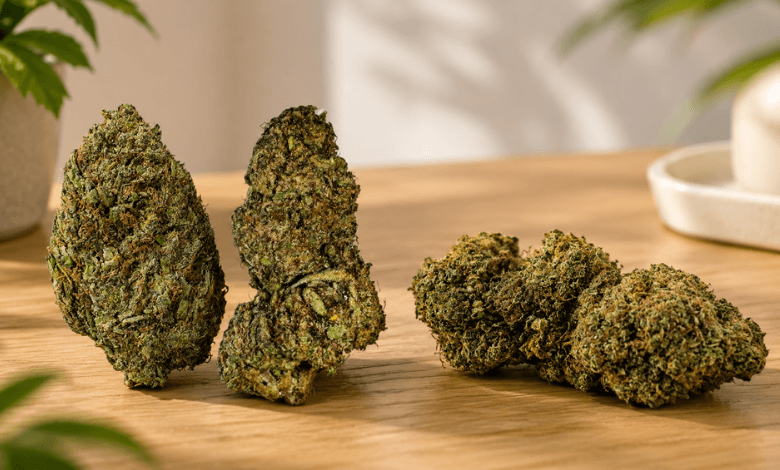
Best THCA Flower 2026
The best THCA flower is indoor-grown, slow-cured, and backed by a full-panel certificate of analysis from a third-party lab. Look for lab-verified THCA content above 20 percent, a published terpene percentage, dense, uneven trichome coverage, and a batch number that matches the jar you receive. Table of contents: How a Batch Earns a Spot Here […]
Aug 23, 2026 · 14 min read
Is THCA Flower Legal? Current Law Explained 2026
Yes, under federal law today, if it comes from hemp and tests at or below 0.3% delta-9 THC by dry weight. On November 12, 2026, that test is replaced, and THCA gets folded into the THC figure that regulators measure against. State law is a separate question, and only seven states still use the delta-9 […]
Aug 20, 2026 · 14 min read
Is THCA Legal? Complete State-by-State Guide 2026
Federally, yes, for now. The 2018 Farm Bill treats hemp-derived THCA as legal hemp so long as the delta-9 THC reading stays at or below 0.3% of dry weight. That flips on November 12, 2026, when Section 781 switches the federal test to total THC, and total THC counts THCA. Your state may already be […]
Aug 20, 2026 · 18 min read
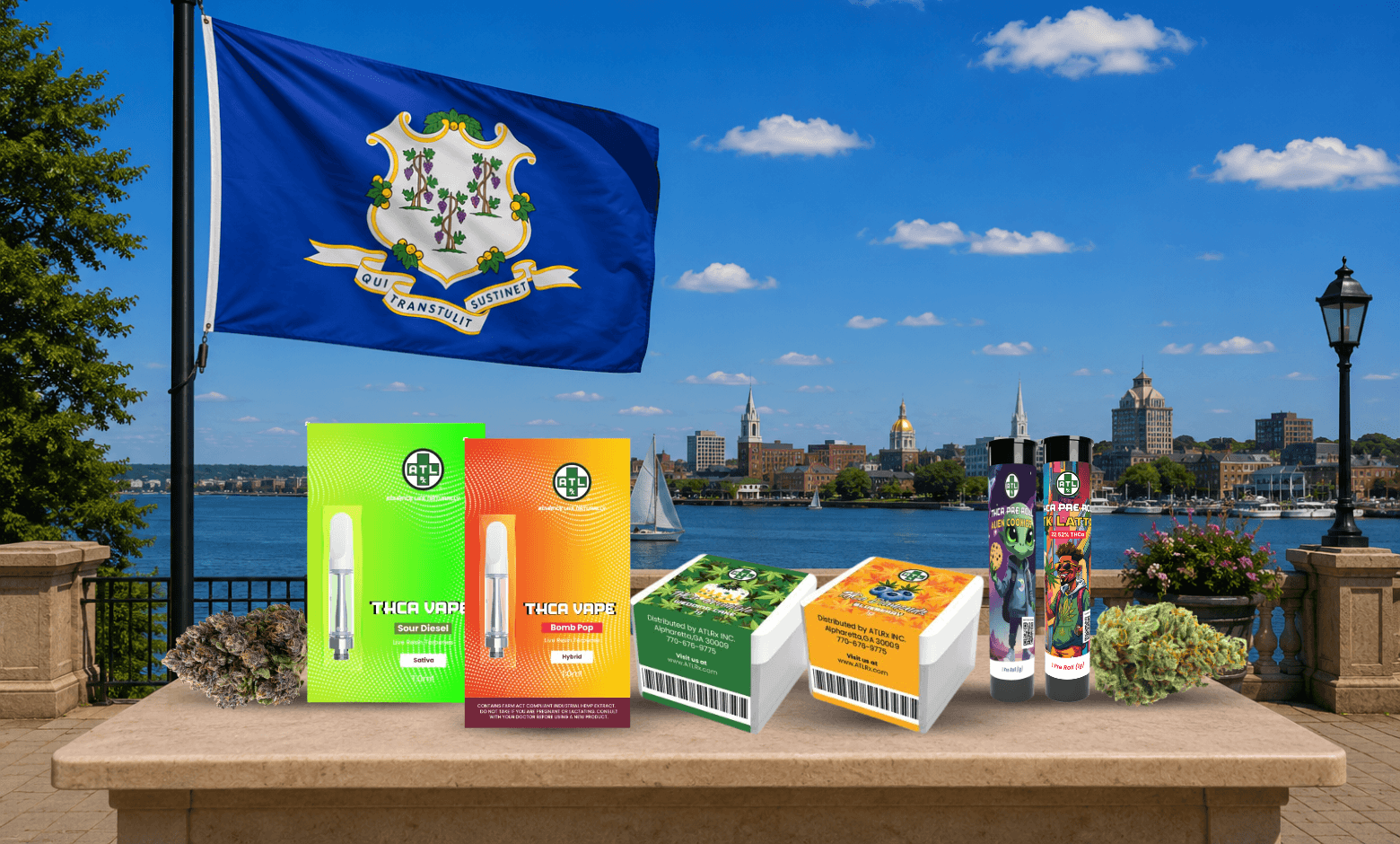
Is THCA Legal in Connecticut? Complete 2026 Legal Guide
THCA Legal Status in Connecticut: Yes, but with major limits, THCA is not banned as a substance in Connecticut, but it is tightly regulated. Because the state measures hemp by total THC (0.3% or less on a dry-weight basis, with THCA counted in), most high-THCA products such as ATLRx THCA Flower exceed the hemp limit […]
Jul 12, 2026 · 10 min read
Stay Informed
New product releases, hemp law updates, and useful cannabinoid guides.