Chemical Structure of THCA
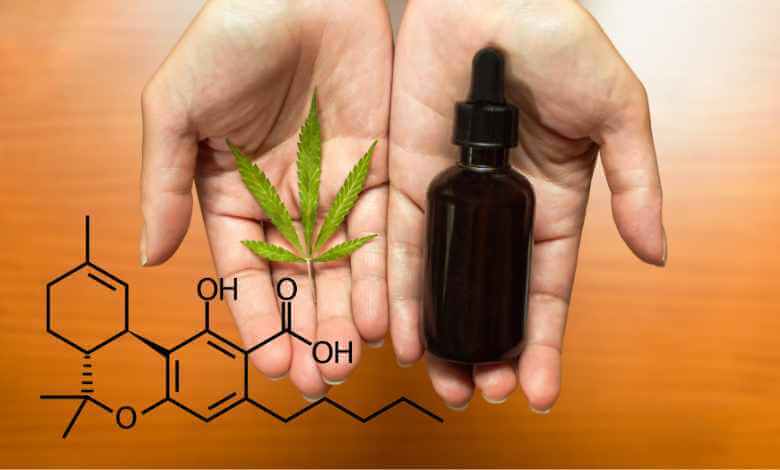
Welcome to the enchanting world of cannabinoids, where the wonders of science meet the mystical powers of nature. Today, we’re embarking on a fascinating journey into the heart of the cannabis plant, focusing on a remarkable compound that has captivated scientists and enthusiasts alike: Tetrahydrocannabinolic acid, or THCA. This is not just a story about a molecule; it’s a narrative of discovery, potential, and the uncharted territories of botanical science. So buckle up and prepare for an adventure into the chemical structure of THCA that promises to be as enlightening as it is engaging. Before we dive deep into the molecular intricacies of THCA, let’s set the stage with a brief overview of cannabinoids and the significance in the natural and scientific worlds. Cannabis plants contain compounds known as cannabinoids. The architects behind the plant’s notorious effects as well as its advantageous potential. Among these compounds, THCA holds a special place for its role as a precursor to THC, the most psychoactive ingredient in cannabis, and for its unique properties.
Key Takeaways
- 01THCA’s Non-Psychoactive Nature Unlocks Potential: Unlike THC, THCA is non-psychoactive, which broadens its use in therapeutic applications without the psychoactive effects, thus allowing for more inclusive research and user experience.
- 02Molecular Metamorphosis Through Decarboxylation: THCA transforms into THC when exposed to heat, a process called decarboxylation. This shift from a non-psychoactive to a psychoactive state highlights the dual nature of cannabis, which serves many purposes.
- 03Crucial Role in Cannabis Research and Applications: THCA plays a pivotal role as a precursor to THC and is a focal point in cannabis research due to its potential benefits, making it a candidate for further scientific studies and application developments.
- 04Legal and Regulatory Challenges Reflect Complex Status: THCA’s legal status is complicated by its association with THC and varies by jurisdiction, necessitating careful navigation of the legal landscape by researchers, producers, and users alike.
Understanding Cannabinoids
Cannabinoids are the keystones in the arch of cannabis research, with each compound offering unique effects and potential benefits. While THC and CBD have hogged the spotlight, THCA is quietly proving to be a powerhouse in its own right. THCA is non-psychoactive, unlike its well-known cousin THC. This distinction opens up a realm of possibilities for its use, setting the stage for a deeper dive into its chemical structure and potential benefits.
The Chemical Structure of THCA
At its core, THCA is a fascinating molecule. With a combination of carbon, hydrogen, and oxygen atoms arranged in a particular arrangement, its molecular structure is a marvel of organic chemistry. A compound’s structure dictates how it interacts with the endocannabinoids. Imagine THCA as a key, designed perfectly to unlock specific receptors within the human body, albeit without the psychoactive effects associated with THC.
Learn More: What is THCA?
Biosynthesis of THCA
The story of THCA begins in the resin glands of the cannabis plant, where it is synthesized through the action of enzymes. THCA is synthesized by enzymes that catalyze the conversion of precursor molecules into THCA. Understanding this process is not just academically fascinating; it’s essential for breeding and cultivating cannabis strains with specific cannabinoid profiles.
THCA vs THC: A Molecular Perspective
Cannabis’ lifecycle starts with the transformation of THCA into THC through decarboxylation. When heat is applied, THCA sheds its carboxyl group, converting it into THC and releasing its psychoactive properties. This molecular metamorphosis is not just a chemical curiosity; it’s the key to understanding the dual nature of cannabis as both a medicinal herb and a recreational substance.
Pharmacological Aspects of THCA
THCA’s potential benefits are a beacon of hope for many. Preliminary evidence suggests that it may have an array of effects that can potentially help with many ailments. These findings make THCA a promising candidate for further research, potentially offering a new avenue for treatment options that harness the power of cannabis without the high. Please note that the FDA has not approved of any THCA products.
Analytical Techniques for Studying THCA
The scientific investigation of THCA is a complex endeavor, requiring sophisticated analytical techniques to differentiate it from THC and to fully understand its properties. Techniques such as chromatography and mass spectrometry play a crucial role in this quest, helping researchers unveil the secrets of this intriguing molecule.
Legal and Regulatory Considerations
The molecular structure of THCA is intricate, just as its legal landscape is. Its connection to THC has a direct bearing on THCA’s legal status in many jurisdictions. Understanding these legal nuances is essential for researchers, producers, and users alike to navigate the intricate web of regulations governing cannabis and its derivatives.
Future Directions in THCA Research
The horizon of THCA research is vast and filled with potential. Emerging trends point towards a deeper exploration of its applications, alongside innovative cultivation techniques aimed at maximizing THCA production. The future promises a more profound understanding of this molecule and its place in the pantheon of cannabinoids.
Where to Buy THCA Flower Online
Navigating the world of THCA doesn’t have to be a journey taken alone. We at ATLRx are your trusted companion if you want to experience the potential benefits of THCA for yourself. Our THCA Flower is not just any cannabis product; it’s a testament to quality, purity, and scientific rigor. Lab-tested and lovingly cultivated, our THCA Hemp Flower and High THCA Flower options are designed to meet the highest standards of excellence. Visit the ATLRx website to explore a curated selection of top-tier cannabis products, where quality meets the cutting edge of cannabinoid science.
Conclusion
The chemical structure of THCA is a testament to the intricate beauty of natural compounds and the potential to impact human health and wellness. THCA and other cannabinoids are still a mystery, so cannabis research has a bright future. The journey into the heart of cannabis chemistry is far from over, but each discovery brings us closer to understanding the full spectrum of benefits this plant has to offer.
Frequently Asked Questions
What Is THCA, and How Does It Differ from THC?
+
THCA, or tetrahydrocannabinolic acid, is a cannabinoid found in raw cannabis plants. It has psychoactive properties due to its acidic precursor, THC (Tetrahydrocannabinol). It is the molecular structure and effects that distinguish THCA from THC. THC produces the “high” associated with THC, while THCA does not. It’s converted into THC through decarboxylation, a process that involves heat.
Is THCA Legal to Purchase and Use?
+
Yes, depending on where you reside. THCA’s legal status varies from jurisdiction to jurisdiction and is often influenced by cannabis laws. Plants that contain THCA, including those used for medical or recreational purposes, are typically legal in areas that allow cannabis use. Its legal status can, however, be complicated due to its ability to convert to THC. For cannabis and its derivatives to be in compliance with local laws and regulations, it’s essential to check local regulations and laws. ATLRx offers lab-tested THCA Flower, ensuring quality and legality in areas where cannabis products are permitted.
How Is THCA Used, and How Does It Compare to Using THC Products?
+
THCA is primarily found in raw and unprocessed cannabis plants. Many people use THCA in its raw form and many prefer to decarboxylate it to transform THCA into THC. The choice between THCA and THC products depends on the desired effects: THCA for its non-psychoactive potential benefits and THC for its psychoactive properties. This distinction allows users to tailor cannabis use to specific needs and preferences, emphasizing the versatility of cannabis as both a medicinal and recreational plant.
Have more queries related to “THCA Flower”? Don’t hesitate to reach out to our support team via email at support@atlrx.com or by at 1-855-420-8278. The ATLRx Expert Support Team is always here to guide you through the world of THCA and help illuminate the path to wellness.
Why Trust This Guide
- ATLRx has sold third-party lab-tested hemp products out of Georgia since 2019.
- Every real batch we sell is tested by an accredited outside lab, with the Certificate of Analysis published before you buy.
- We operate 3 real physical stores in Georgia — this isn't a drop-shipped storefront.
- Legal information is rechecked and updated as rules change, not published once and forgotten.
Don't Trust the Label. Check the Lab.
ATLRx publishes third-party Certificates of Analysis for real batches so you can verify cannabinoid content before you buy — not just take the package's word for it.
View Lab Results →Have Questions?
Visit an ATLRx store in Georgia and talk to our team.
Real Customers, Real Reviews
What Customers Are Saying
“Exactly what was promised excellent product”
“Really nice high”
“Very good! Gives me energy!”

Jen Hight
Cannabis Industry Expert & Compliance Specialist Jen Hight is a cannabis industry professional with extensive experience in hemp compliance, product development, and consumer education. With a background in regulatory affairs and a passion for helping consumers navigate the complex world of cannabinoids, Jen provides accurate, up-to-date information on hemp legality and best practices. Her work focuses on making cannabis knowledge accessible while ensuring readers understand both the opportunities and responsibilities that come with legal hemp products.
View all articles →Keep Learning
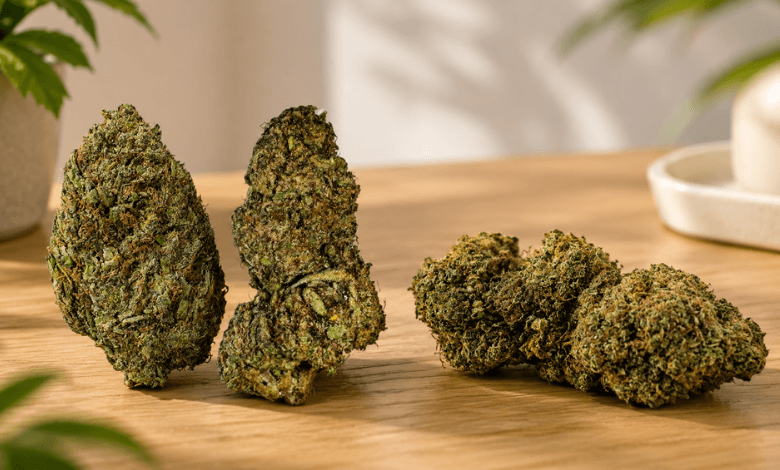
Best THCA Flower 2026
The best THCA flower is indoor-grown, slow-cured, and backed by a full-panel certificate of analysis from a third-party lab. Look for lab-verified THCA content above 20 percent, a published terpene percentage, dense, uneven trichome coverage, and a batch number that matches the jar you receive. Table of contents: How a Batch Earns a Spot Here […]
Aug 23, 2026 · 14 min read
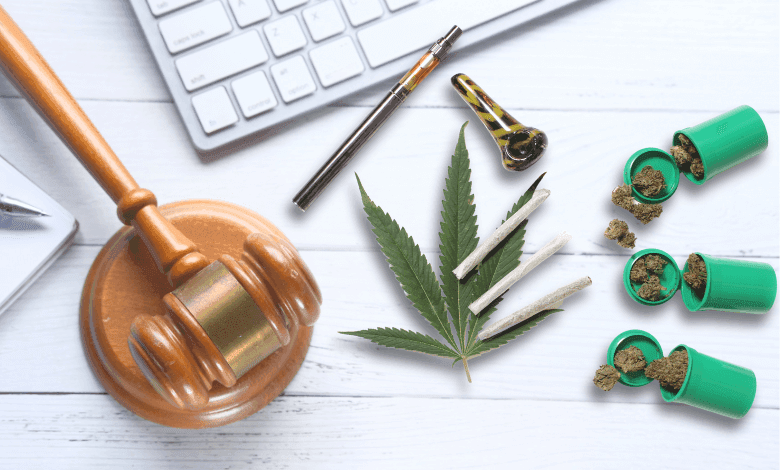
Is THCA Flower Legal? Current Law Explained 2026
Yes, under federal law today, if it comes from hemp and tests at or below 0.3% delta-9 THC by dry weight. On November 12, 2026, that test is replaced, and THCA gets folded into the THC figure that regulators measure against. State law is a separate question, and only seven states still use the delta-9 […]
Aug 20, 2026 · 14 min read
Is THCA Legal? Complete State-by-State Guide 2026
Federally, yes, for now. The 2018 Farm Bill treats hemp-derived THCA as legal hemp so long as the delta-9 THC reading stays at or below 0.3% of dry weight. That flips on November 12, 2026, when Section 781 switches the federal test to total THC, and total THC counts THCA. Your state may already be […]
Aug 20, 2026 · 18 min read
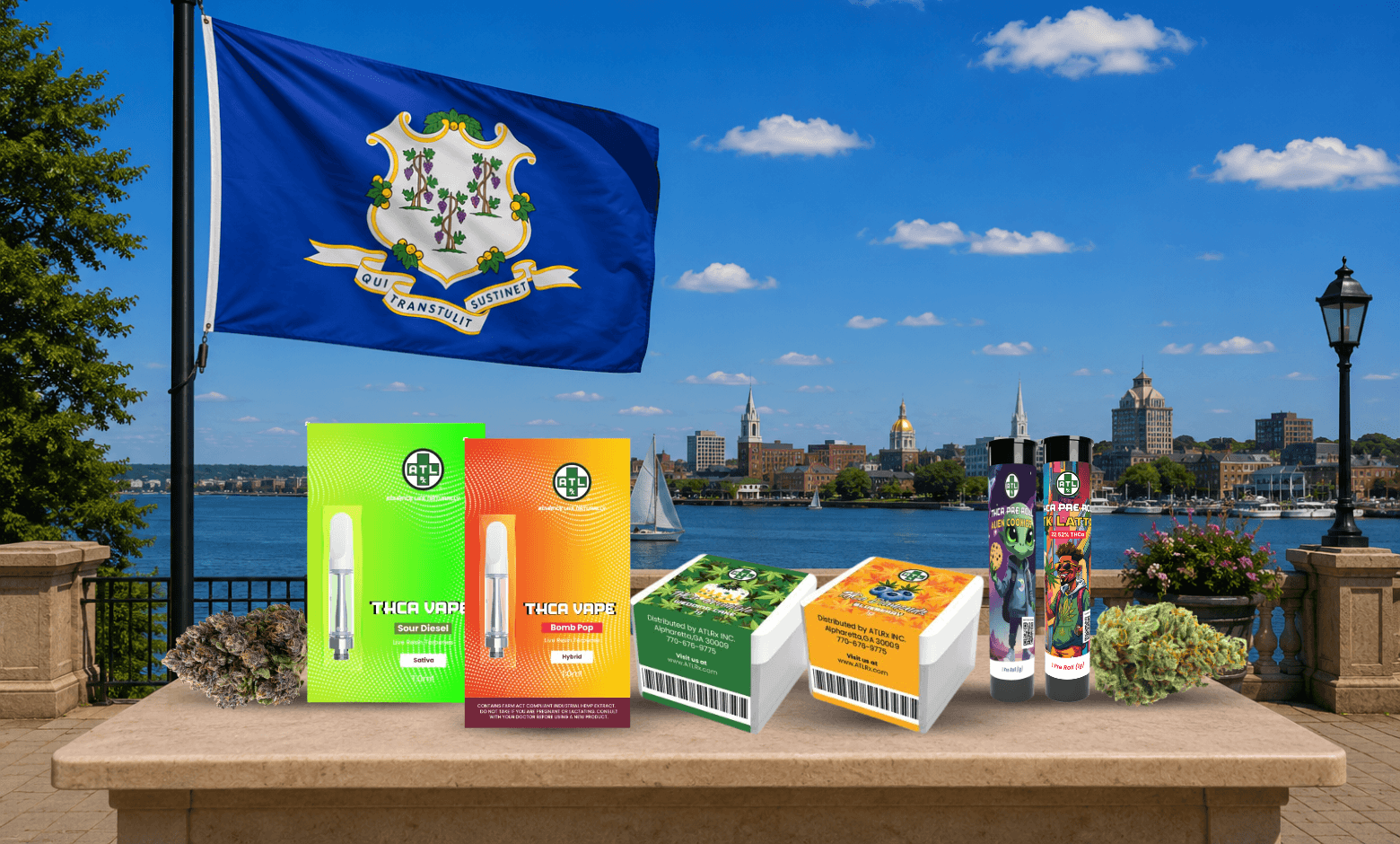
Is THCA Legal in Connecticut? Complete 2026 Legal Guide
THCA Legal Status in Connecticut: Yes, but with major limits, THCA is not banned as a substance in Connecticut, but it is tightly regulated. Because the state measures hemp by total THC (0.3% or less on a dry-weight basis, with THCA counted in), most high-THCA products such as ATLRx THCA Flower exceed the hemp limit […]
Jul 12, 2026 · 10 min read
Stay Informed
New product releases, hemp law updates, and useful cannabinoid guides.